菲茨威廉上校在《傲慢与偏见》中的隐秘重要性

“终于结识您真是令人欣喜,班纳特小姐。”
“终于,先生?”
“是啊,久闻芳名,
而所有赞誉都名不虚传,我向您保证。”

费茨威廉上校或许并非《傲慢与偏见》中最显赫的绅士,但他的角色重要性远超许多读者的认知。作为伯爵次子与达西先生的表亲,他代表着简·奥斯汀笔下复杂的社交现实——风度翩翩、善于交际且举止得体,甚至比达西本人更易亲近。
但随和外表下隐藏着处境带来的挑战:作为无法继承家产的次子,他必须精明地与人联姻。虽非主线爱情故事的主角,他的存在却深刻影响了伊丽莎白·班纳特对达西的认知。通过他,我们窥见贵族阶层的另一面:既享有特权,又受制于继承制度与婚姻期待。他更在无意中推动了小说关键转折点的发生,彻底改变了伊丽莎白与达西的关系走向。
费茨威廉虽非核心人物,却承担着关键 的叙事功能。作为达西的表亲与旅伴,他与达西的拘谨寡言形成鲜明对比:其人善于交际,能轻松开展愉悦对话,全无达西与圈外人相处时的局促。
“您这位表亲正要教您别信我说的任何话呢。费茨威廉上校,他这般吝啬赞誉岂非失礼?确实如此,达西。”
这种社交自如感让读者窥见:若未被傲慢与自我意识束缚,达西本可展现的自然魅力。
“我可不怕您。您能指责他什么?我实在想知道他在生人面前是何模样。”
除却对比功能,费茨威廉更是主线恋情的无心催化剂。当他随口向伊丽莎白提及达西近日阻止朋友缔结轻率婚姻时,全然未料此话将引发惊涛骇浪。”据我所知,他正庆幸自己使彬格莱先生免于陷入一桩极不慎重的婚姻。”于他而言这只是达西关照挚友的例证,但对伊丽莎白却是达西傲慢与操控的铁证。这一刻直接引爆她对达西首次求婚的激烈拒绝,为二人关系的戏剧性转变埋下伏笔。
“您认为他的干涉是多管闲事?我看不出达西先生有何权利决定他朋友该如何获得幸福。”
费茨威廉同时架起了贵族与中产阶级的沟通桥梁。当达西仍困于跨阶层交际的桎梏时,费茨威廉展现出更灵活务实的处世智慧。他清醒认知自身处境局限,坦言需通过婚姻维持体面,使其既成为阶级制度的产物,又是奥斯汀世界中现实主义的化身。
与达西的亲密关系进一步丰满了二人形象:同赴罗新斯园的旅程中,他们不仅是血缘亲属,更是知交好友。费茨威廉对达西私事的熟知程度,印证了达西对他的深切信任。”我当时负责向他指出选择令姐作为新娘的种种弊端,说服他相信令姐对他无意并非难事。”这种信任层级表明,他是极少数能参与达西核心私密圈的外姓之人。
小说虽未详述费茨威廉与乔治安娜·达西的互动,但基于家族纽带,可推测他在其生活中扮演着正面角色。作为备受尊敬的军官,他恰与奸诈的威克姆形成鲜明对照,很可能成为守护乔治安娜的可靠力量。奥斯汀虽未着墨于此,但其保护性特质暗示他必然支持达西抵御威克姆的侵害——达西致伊丽莎白的书信中确证了这一点:
“此乃我与威克姆先生往来经历的真实陈述,您可向费茨威廉上校求证其真实性。”
这不仅证明他完全知晓威克姆对乔治安娜的恶行,更强化了其作为达西阵营核心盟友的定位。此举也让伊丽莎白彻底相信:达西的陈述绝非虚言。
费茨威廉与伊丽莎白的互动堪称小说最令人愉悦的片段之一,因其充盈着毫无滞涩的智慧交锋。不同于达西因笨拙与内心冲突屡屡失语,他总能以自信幽默接住伊丽莎白的机锋。他即刻倾慕她的慧黠才智,而她亦乐与其相伴。
“想必您精通音律,班纳特小姐。略通皮毛且拙劣得很,不敢劳您期待。”
尽管相处融洽,二人间却从未萌生真正情愫。费茨威廉清醒自知无力随心择偶——即便对伊丽莎白有意,也缺乏追求的经济自由。这使他比最终为爱冲破阶级桎梏的达西更显务实。
若他出身更富裕,或可能与伊丽莎白成就良缘。但事实上,他们的关系始终停留在相互欣赏的层面,并无更深层的浪漫暗示。然则通过他对伊丽莎白展现的坦诚,其正直品性已熠熠生辉。
现在不妨来个”假设情境”?这将是个有趣的探索。我将开启播客模式,专门为此创作一个章节。若您想跳过此部分,请直接移至下一章。我们将此播客章节命名为:《费茨威廉上校的告白》。
若费茨威廉未曾向伊丽莎白透露达西阻止朋友轻率婚姻之事,剧情或许会如此展开——
伊丽莎白·班纳特始终享受在罗新斯与费茨威廉上校相伴的时光。不同于达西先生每字每句都似背负重担,上校的谈吐总带着举重若轻的魅力。她日渐欣赏他活泼的机智与从容的风度,即便曾掠过儿女情长的念头,也不过是转瞬即逝的遐想。
毕竟她深知他无多少资产可予人,他自己也坦言必须为财富而婚配。然而今日他神态间却似藏着心事。
当二人沿林荫小径走向 Grove 林地时,费茨威廉陷入反常的沉默。伊丽莎白察觉他惯常的欢愉消褪,好奇地瞥向他:”上校今日似乎判若两人。难道是凯瑟琳夫人又出了什么考验您耐性的新招?”
他轻笑一声,却失了往日温度:”恐怕我的烦恼另有所源,班纳特小姐。”伊丽莎白眉梢微挑:”那我愿闻其详。或可献上拙见。”
费茨威廉轻叹一声望向别处,仿佛在摇曳的枝桠间搜寻恰当措辞。最终他开口:”您当明白,班纳特小姐,我对您的敬重与日俱增。”伊丽莎白歪头浅笑,唇边漾起戏谑:”看来您不会再无情取笑我的无礼了吧,上校?”
他急促吐息,转身直面她:”伊丽莎白,”语气是她从未听过的郑重,”这绝非玩笑。我苦苦压抑情感,明知其不切实际,却再难守口如瓶。”
伊丽莎白笑容渐褪,终于领悟他话中深意。”费茨威廉上校…”他决意继续:”我本无意爱上您。事实上,我一直牢记寻得富家妻以安稳未来的家族责任。但伊丽莎白,与您相处的这些时日,让我所谓理智成了荒唐笑话。”
“您是我见过最非凡的女子,不禁幻想若我能自由选择人生该多好。”
伊丽莎白心弦意外轻颤,仍保持镇定:”但您并无自由选择之权,不是吗?”她柔声道,”您早将此点明。”他神色一暗,摇头道:”是,我没有——这正是最残酷之处。若我为长子,若有能力许您优渥生活,我定…”他戛然而止,扭头似为自身无力而羞惭。
伊丽莎白伸手轻抚他臂膀:”我深感荣幸,真的。但您不必为不可能之事自苦。你我皆洞悉世情。您是恪守责任之人,而我…终究非您所需之继承女。”费茨威廉下颌紧绷:”太不公了,”他低语,”世人幸福竟全系于出生偶然。”伊丽莎白轻叹,报以理解而哀婉的微笑:”或许吧,但我不愿成为您堕落的根源,上校。”
他深呼一口气,颔首道:”是,我也不会允此事发生。您值得毫无束缚的真爱。”二人久久静立。随后费茨威廉挺直脊背,恢复宿命守护者的从容:”恕我妄言。今后必不再扰。”伊丽莎白最后赠他一丝怅然目光,强作轻快道:”您不会失去我的友谊,上校。望这不至令您太失望。”他回以苦涩浅笑:”不会的,伊丽莎白。这已足够。”最终他点头离去,留伊丽莎白独立簌簌树声间,望着又一条或许通往未知结局的小径在眼前闭合。
不知我是否有能力尝试制作有声书。或许可试水简·奥斯汀作品,值得一试。
言归正传。作为伯爵次子,费茨威廉面临着贵族次子常见的困境:无法继承家产,必须自行谋取财富。在奥斯汀时代的贵族体系中,长子继承制规定家产主要由长子继承,次子往往需要从军、任教职或参政谋生。
费茨威廉选择军旅生涯并获上校军衔,可见其能力与奉献精神。但即便身为上校,军饷也不足以维持上层阶级的生活方式。他向伊丽莎白坦言需娶富家女,凸显了即便出身优渥的男性也面临的经济压力——达西可为爱结婚,而费茨威廉无此奢侈。他的处境折射出《傲慢与偏见》的核心主题:战略联姻的必要性不仅适用于女性,同样适用于男性。
费茨威廉这个角色提醒着我们:社会阶级与经济安全常以牺牲个人幸福为代价主宰人生选择。
费茨威廉对小说情节最关键的贡献在于一次无心泄密。在与伊丽莎白的闲谈中,他提及达西近日阻止友人轻率婚姻之事:”据我所知,他正庆幸自己使彬格莱先生免于陷入一桩极不慎重的婚姻。”虽然他认为这体现了达西的智慧与影响力,伊丽莎白却立刻意识到当事人正是其姐吉英与彬格莱。”不知具体细节。或许双方本无情意?若真如此,表兄的’功绩’可就大打折扣了,您说呢?”
这一刻成为小说转折点:本就厌恶达西的伊丽莎白,视此事为其傲慢与干涉的又一罪证。她的怒火最终导致对达西求婚的激烈拒绝。讽刺的是,费茨威廉完全未察觉自己话语的分量,始终不知在伊丽莎白转变中扮演的角色。
鉴于费茨威廉需通过婚姻改善经济状况,几位人选浮出水面:拥有财富与野心的卡罗琳·彬格莱本是务实之选,但她对达西的执念或成阻碍;乔治安娜·达西因近亲关系可能性渺茫;若基蒂·班纳特能提升礼仪与社会地位,或也存在微末可能。
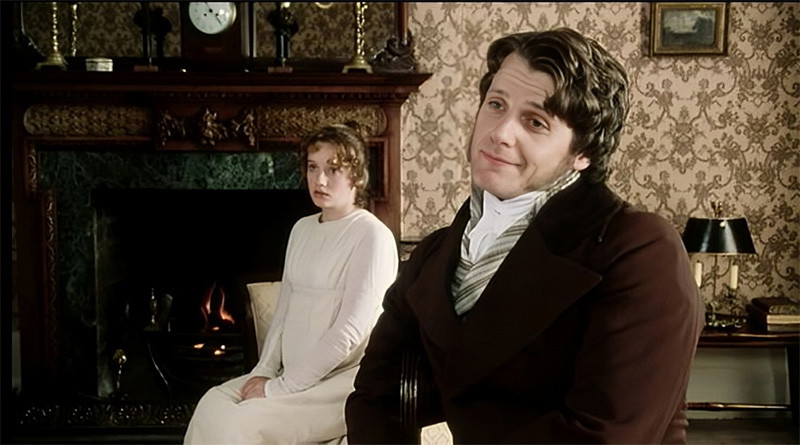
那么,让我们进一步探讨这些可能性:卡罗琳·彬格莱、乔治安娜·达西或基蒂·班纳特。
众所周知,卡罗琳·彬格莱野心勃勃,决意攀附高门,首选目标便是达西先生。”我们待在此处可安全无虞?达西先生您说呢?今晚定要寻个惬意处所。”鉴于费茨威廉上校的贵族身份,从阶级层面看确是合适人选,但其中存在诸多阻碍。
经济考量首当其冲:卡罗琳虽家境富裕,但出身商贾。她极度渴望爵位关联,而费茨威廉则需要娶富家女。卡罗琳的财富是否足以使其成为理想人选尚不明朗。
性格冲突亦不容忽视:费茨威廉亲和友善、从容不迫,而卡罗琳却傲慢势利、精于算计。”她妹妹不过染了风寒,何至于在乡下东奔西跑?呵呵…她的发型啊,路易莎,还有衬裙。”他未必能容忍她居高临下的态度。加之他偏爱活泼伴侣——欣赏伊丽莎白的机智谈吐,很可能对卡罗琳的做派无感。
最终裁定?存在可能但非理想选择。或会因财力考虑她,但性格差异恐造就怨偶。
接着是乔治安娜·达西——兼具亲缘与体面的选择。作为达西的监护人之一且关系密切,费茨威廉本是合乎逻辑的追求者。但这段姻缘仍有关键阻碍:
家族纽带与监护职责:作为监护人发展恋情虽非当时罕见,仍显不妥。年龄与性格差异:乔治安娜羞怯内敛,费茨威廉善于交际。她是否会与他相处自在?他是否觉得她足够迷人?财务保障?乔治安娜身为女继承人,他无需担忧钱财。但她的财富也意味着更多选择——她可能更倾向年龄性情相仿者。
最终裁定?存在可能但问题重重。社会层面合乎逻辑,但奥斯汀未暗示二人间存在情愫。
最后是基蒂·班纳特——这个设想倒颇有意思。浪漫且出人意表的选择。常被忽视的基蒂·班纳特或成有趣选项。她虽年少稚气,却拥有成长潜力。脱离莉迪亚影响后,基蒂逐渐蜕变为端庄淑女,尤其常与吉英和伊丽莎白相伴后。
性格契合度?费茨威廉喜爱欢快伴侣,成熟后的基蒂或可成为活泼深情的妻子。社会阶层差异?最大障碍莫过于她的卑微出身与匮乏嫁妆。纵然态度随和,费茨威廉会考虑低阶联姻吗?除非深陷爱河,否则难有可能。
最终裁定?虽可能性微弱却引人遐思。若基蒂成长为优雅女子,或可成就意外良缘。正如我在基蒂视频中所言:爱德华·奥斯汀·利在《简·奥斯汀回忆录》记载,基蒂嫁给了彭伯里附近的教士。
综合线索(基蒂视频评论区亦有提及):若达西将教士职位授予表亲费茨威廉呢?而他转而爱上基蒂——经常与伊丽莎白姐妹交往后,她的品性想必已如花绽放。这个设想在我看来更具可能性。
当然,我们永无确知之日。简·奥斯汀从未写过关于伯爵次子从军谋生、需靠婚姻保障财富与幸福的小说。
费茨威廉上校虽是《傲慢与偏见》中常被忽略的角色,却具有重要意义。作为次子,他 embodies 此类男性的困境:被责任束缚,依赖婚姻获取经济保障,无法随心追随本心。
然而他并非悲剧人物,而是韧性与现实主义的象征。他深知世间规则,并以尊严与智慧从容应对。虽选择受限,却从不自怨自艾,而是适应现实、稳步向前,未来很可能缔结合适姻缘。
他与伊丽莎白·班纳特的轻松友谊展现了一种迥异于达西的动态关系——充满即时默契与相互尊重。但尽管彼此投契,现实约束注定他永无可能成为她的真命天子。他在小说中的存在构成了重要对照,凸显了特权与责任如何塑造即便最友善男性的命运。
当我们审视费茨威廉在小说中的位置时,值得深思几个问题:若他选择爱情而非责任,人生会如何演变?他是否可能开辟不同道路,还是终究被出身期望所限?若他更公开追求伊丽莎白,达西会作何反应?若他娶了卡罗琳·彬格莱或其他富家女,会获得满足还是仅以惯常魅力接受现实?
在这个并非人人皆能奢侈为爱成婚的世界,他提醒我们:尊严与现实主义本身就是美德。您如何看待?费茨威廉选择退出是否正确?(虽然他未必真有与伊丽莎白发展的可能?)欢迎在评论区分享见解。至于制作有声书的构想——我认为会很有趣,值得深思。
Col. Fitzwilliam’s Hidden Importance In Pride & Prejudice:菲茨威廉上校在《傲慢与偏见》中的隐秘重要性
I’m delighted to make your acquaintance at last Miss. Bennet.
At last sir?
Well, I’ve heard much of you,
and none of the praise has been exaggerated, I assure you.
Colonel Fitzwilliam may not be the most famous gentleman in pride and prejudice, but his role is far more important than many readers realize. As the second son of an earl and Mr. Darcy’s cousin, Fitz William represents the complex social realities of Jane Austen’s world. He is charming, sociable and well-mannered, perhaps even more approachable than Darcy himself.
But beneath his easygoing exterior lies the challenge of his position. As a younger son, he doesn’t inherit wealth and must therefore marry wisely. Unlike the novel’s romantic leads, Fitzwilliam is not directly involved in a love story of his own, but his presence significantly impacts Elizabeth Bennet’s perception of Darcy.
Through Fitz William, we see a different side of the aristocracy, one that is both privileged and restricted by the expectations of inheritance and marriage. He is also a character who inadvertently plays a role in one of the novel’s most pivotal moments, which alters the course of Elizabeth’s and Darcy’s relationship.
Although Fitz William is not the central character, his presence in pride and prejudice serves a crucial purpose. As Darcy’s cousin and travel companion, he provides an essential contrast to Darcy’s reserved nature. Fitzwilliam is personable and socially adept, able to engage in pleasant conversation without the awkwardness that often characterizes Darcy’s interactions with those outsides of his inner circle.
“Your cousin would teach you not to believe a word I say. Colonel Fitzwilliam, that is ungenerous of him is it not? It is indeed, Darcy.” His ease in social settings allows readers to see what a more naturally engaging version of Darcy might have looked like; had he not been weighed down by pride and self-consciousness.
“I’m not afraid of you. What have you to accuse him of? I should dearly like to know how he behaves among strangers.”
Beyond his role as a social contrast, Fitz William is also an unwitting catalyst in the novel’s central romance. When he casually mentions to Elizabeth that Darcy recently saved his friend from an imprudent marriage, he doesn’t realize the profound impact his words will have.
“I understand that he congratulates himself on having lately saved Mr. Bingley the inconvenience of a most imprudent marriage.” So, Fitz William this is simply an example of Darcy’s influence and care for his loved ones. But to Elizabeth, it’s evidence of Darcy’s arrogance and manipulation. This moment leads directly to Elizabeth’s fiery rejection of Darcy’s first proposal. Setting the stage for the dramatic shift in their relationship.
“You were supposed to think his interference officious? I do not see what right Mr. Darcy had to determine and direct in what manner his friend was to be happy.”
Fitzwilliam also serves as a bridge between the aristocracy and the novel’s middle-class characters. While Darcy initially struggles to navigate the expectations and emotions of those outside his own Social Circle, Fitzwilliam demonstrates a more adaptable and pragmatic approach. He understands the limitations of his own position, and acknowledges the necessity of marrying well, making him both a product his class and a figure of realism in Jane Austen’s world.
Colonel Fitzwilliam shares a close bond with his cousin Mr. Darcy and this relationship offers insight into both characters. As they travel together to Rosings Park, it’s clear that they are not just family, but also friends. Fitzwilliam’s familiarity with Darcy’s personal affairs suggest that Darcy does trust him deeply.
Fitzwilliam is aware of Darcy’s involvement in Bingley’s romantic life, which could imply that they’ve had serious discussions about love and marriage. “There I engaged in the office of pointing out to him the certain evils of his choice of your sister as a prospective bride. It was not difficult to convince him of your sister’s indifference to him.”
This level of trust indicates that Fitzwilliam is one of the few people that Darcy confides with outside of his immediate household. In contrast to Darcy’s reserved and often severe demeanor, Fitzwilliam is relaxed and sociable. This makes him an effective foil to his cousin, highlighting Darcy’s struggles with social ease.
“I have not that talent which some possess of conversing easily with strangers.” While Darcy hesitates to express himself and often comes across as cold or proud, Fitzwilliam engages freely in conversation and knows how to navigate social situations with charm and diplomacy. “I hope we shall see you frequently at Rosings while we’re there. I’m fond of lively conversation. Well, this you do not find at Rosings Park.”
Fitzwilliam’s connection to Georgiana Darcy is less explicitly detailed in the novel, but given their family ties, it is reasonable to assume that he plays some role in her life. As a well-respected and honorable military officer, he likely serves as a positive male influence in contrast to the deceitful Wickham.
Although Jane Austen does not delve into his interactions with Georgianna, Fitzwilliam’s protective nature suggests that he would have supported Darcy in shielding her from Wickham’s manipulation. And we can presume that Fritz Williams had some dealings in the affair since Darcy writes in his letter to Elizabeth: “This, Madam, is a faithful narrative of all my dealings with Mr. Wickham, and for its truth, I can appeal to the testimony of Colonel Fitzwilliam.”
This confirms that Colonel Fitzwilliam was fully aware of Wickham’s past misconduct, particularly regarding Georgiana and reinforces the idea that he was a trusted ally in protecting her. It also reinforces Elizabeth’s understanding that Darcy isn’t just making a statement an untruth, if you will. By suggesting Fitzwilliam is in the know, and knowing how well Lizzie and Fitzwilliam get along, I think she wouldn’t question the Wickham story at all.
Fitz Williams interactions with Elizabeth Bennet are among the most enjoyable in the novel, largely because of the ease with which they communicate. Unlike Darcy, who often stumbles through conversations with Elizabeth due to his awkwardness and inner conflict, Fitz William is confident and good humored. He immediately appreciates Elizabeth’s wit and intelligence and she in turn, finds his company agreeable.
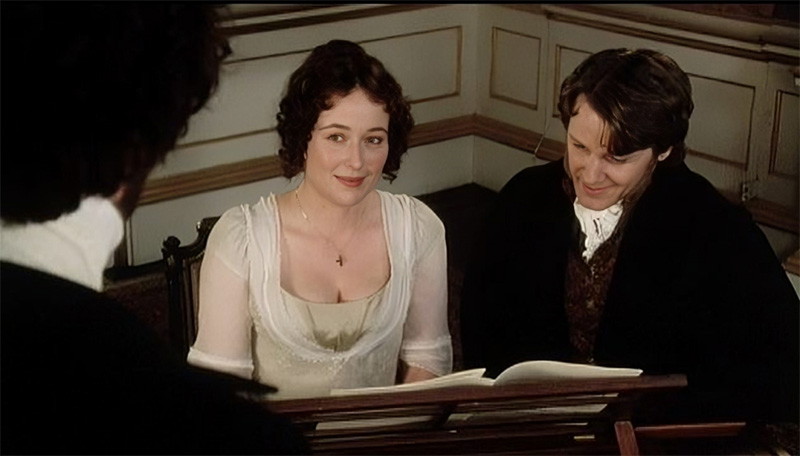
“I believe you play and sing Miss. Bennet. A little and very ill, I wouldn’t wish to excite your anticipation.” Despite their friendly rapport, there is never any real suggestion of a romantic attraction between them. Fitzwilliam himself acknowledges that he cannot afford to marry where he likes, meaning that even if he were interested in Elizabeth, he would not have the financial freedom to pursue her. This makes him more pragmatic than Darcy who ultimately chooses love over social expectations.
Fitz William is fully aware of the constraints placed upon him by his status as a second son, and he does not indulge in romantic ideals that he cannot afford to fulfill. Had Fitz William been wealthier, it is possible that he and Elizabeth could have been a viable match. However, as it stands, their relationship remains one of mutual respect and enjoyment with no deeper romantic implications. But certainly, from the honesty that Fitz William displays with Elizabeth, he does show his integrity.
Now, how about a “what if” scenario? This might be fun to explore. What I’m going to do is go into my audiobook mode, and I’ll create a chapter for this. So, if you want to skip this bit, just move to the next chapter, and we’ll call this audiobook section: Colonel Fitz Williams confession.
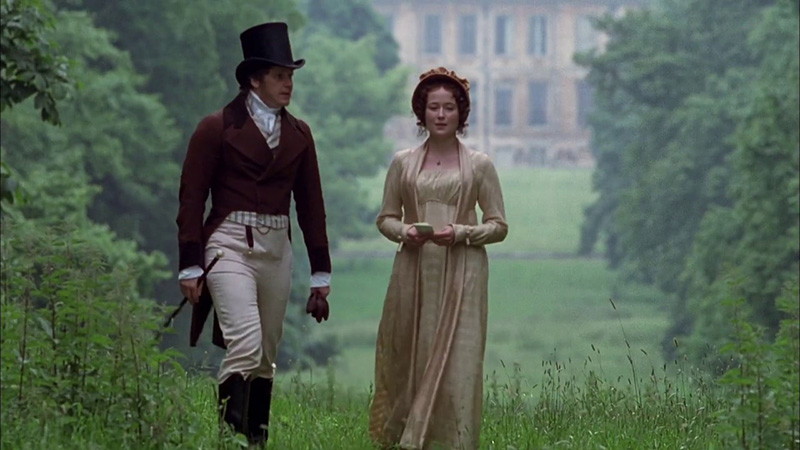
Instead of Fitzwilliam telling Elizabeth how Darcy saved his friend Bingley from an imprudent marriage, the alternative scene might play out like this —
Elizabeth Bennet had always enjoyed Colonel Fitzwilliam’s company at Rosings. Unlike Mr. Darcy who seemed burdened by every word he spoke, Fitzwilliam conversed with effortless charm. She had grown to appreciate his lively wit and his easy manner, and if she had ever thought of him romantically, it had been only in passing amusement.
After all, she knew well enough that he had no fortune to offer, and that he himself had admitted he must marry for wealth. And yet something in his demeanor today suggested a weight upon his mind.
As they strolled along the shaded path leading toward the Grove, Fitzwilliam fell into an unusual silence. Elizabeth sensing a shift in his usual joviality, glanced at him with curiosity. “I do believe Colonel that you are quite unlike yourself today. Has Lady Catherine found some new way to try your patience?”
He gave a small laugh, but it lacked his usual warmth. “I fear my troubles lie elsewhere Miss. Bennet.” Elizabeth raised an eyebrow. “Then I shall be glad to hear them. Perhaps I may offer some wisdom.”
Fitz William sighed, looking away as if searching for the right words among the swaying branches overhead. At last he spoke. “You must know Miss. Bennet that I have come to regard you very highly.” Elizabeth tilted her head, a playful smile tugging at her lips. “Indeed, I hope this means you will not tease me so mercilessly about my impertinence colonel.”
He exhaled sharply and turned to face her. “Elizabeth”, he said more earnestly than she had ever heard him speak before. “This is no jest. I have struggled against my feelings, knowing full well that they are impractical, and yet I can no longer keep them to myself.”
Elizabeth’s smile faded as she realized the meaning behind his words. “Colonel Fitzwilliam…” He pressed on determined. “I had no intention of falling in love with you. In fact, I have always known my duty to find a wife of means, to secure my future as my family expects me. But Elizabeth, these past few weeks in your company have made a mockery of my so-called sense.”
“You are the most extraordinary woman I have ever met, and I cannot help but imagine what my life might be if I were free to choose as I pleased.”
Elizabeth’s heart gave an unexpected flutter, but she remained steady. “That you are not free to choose, are you?” She said softly. “You have made that quite clear before.”
His expression darkened and he shook his head. “No, I am not and that is the cruelty of it all. If I were the eldest son, if I had the means to offer you a comfortable life, I would…” He stopped himself, looking away as if ashamed at his own helplessness.
Elizabeth reached out placing a gentle hand on his arm. “I am honored by your words, truly. But you must not torment yourself with impossibilities. We both know how the world works. You are a man of duty and I… well, I am hardly the heiress you require.”
Fitzwilliam’s jaw clenched. “It is unjust,” he muttered. “That a man’s happiness must be determined by the accident of birth.” Elizabeth sighed, offering him a sad but understanding smile. “Perhaps, but I would not wish to be the source of your ruin, Colonel.”
He exhaled deeply, nodding. “No, nor would I allow it. You deserve a love unburdened by such constraints.” For a long moment they stood in silence. Then Fitzwilliam straightened, regaining the composure of the man who knew his fate and would face it honorably. “Forgive me for speaking so freely. I shall trouble you no more.”
Elizabeth gave him one last wistful look before forcing lightness into her tone. “You shall not lose my friendship, Colonel. I trust that will not be too great a disappointment.” He managed a small bittersweet smile. “No, Elizabeth, that will have to be enough.” With a final nod he turned and walked away, leaving Elizabeth standing amidst the rustling trees, watching as another path, one that might have Led to something unexpected closed before her.
I wonder if I have what it takes to perhaps do an audio book. Maybe a Jane Austen audio book, it’s worth a shot, perhaps.
Anyway, back to Fitzwilliam. As the younger son of an earl, Fitzwilliam faces the common dilemma of noble second sons. He does not inherit the family estate and must secure his own fortune. In the aristocratic structure of Jane Austen’s time, primogeniture dictated that the eldest son received the bulk of the inheritance while younger sons often had to find careers in the military, or the church, or the government.
Fitz William chose the military career and has attained the rank of colonel, a respectable position that suggests both competence and dedication. However, a military salary even for a colonel would not have provided the kind of wealth needed to support an upper-class lifestyle.
His admission to Elizabeth that he must marry a woman of fortune highlights the financial pressures that even well born men could face. While Darcy can afford to marry for love, Fitzwilliam does not have that luxury. His circumstances reflect a broader theme in pride and prejudice: the necessity of strategic marriages not just for women, but for men as well.
Fitzwilliam is a reminder that social class and financial security dictate personal choices often at the expense of personal happiness.
Fitzwilliams most crucial contribution to the novel’s plot comes in the form of the unintentional revelation. During a casual conversation with Elizabeth, he mentions that Darcy recently saved a friend from an imprudent marriage.
“I understand that he congratulates himself on having lately saved Mr. Bingley the inconvenience of a most imprudent marriage.” While Fitzwilliam likely views this as an example of Darcy’s wisdom and influence, Elizabeth immediately realizes that the friend in question is Bingley, and that the imprudent marriage is his potential union with her sister Jane.
“We know none of the particulars. Perhaps there was not much affection in the case. Perhaps not, but if that were the case, it would lessen the honor of my cousin’s triumph, very sadly, don’t you think?”
This moment is a turning point in the novel. Elizabeth already inclined to dislike Darcy, sees this as further proof of his arrogance and interference. Her anger intensifies, leading to her fiery rejection of Darcy’s proposal soon afterwards. Ironically, Fitzwilliam is completely unaware of the impact of his words and never realizes the role he played in Elizabeth’s transformation.
Since Fitzwilliam must marry well, several potential matches come to mind. Caroline Bingley with her fortune and ambition could have been a practical choice, though her aspirations for Darcy might have prevented such a match. Georgiana Darcy is an unlikely option due to her close family ties. There’s also Kitty Bennet, if she improved her manners and social standing, which might have proved a possibility.
So, let’s explore these possibilities a little closer: Caroline Bingley, Georgiana Darcy or Kitty Bennett.
We know Caroline Bingley is ambitious and determined to marry well, preferably to Mr. Darcy. “Shall we be quite safe here, Mr. Darcy, do you think? Damn surely where to spend an evening.” Given Colonel Williams aristocratic connections, he would have been a suitable match in terms of rank, but there are reasons this might not work.
There are financial concerns. Caroline is wealthy, but comes from trade, and while she desperately wants a titled connection, Fitzwilliam needs a wife with money. It’s unclear if Caroline’s wealth would be enough to make her a desirable match for him.
There is personality clash. Fitzwilliam is affable and easygoing whereas Caroline is haughty and socially calculating. “What does she mean by scampering about the country because her sister has a cold? Ha ha… her hair, Louisa, or her petticoat.” He may not tolerate her condescending attitude towards others. He also has a preference for lively company – he enjoys Elizabeth’s wit and conversation, so he might not find Caroline’s manner appealing.
Shall we have a verdict? Possible, but not ideal. He might consider her for financial reasons, but personality differences would probably make for an unhappy marriage.
Then we have Georgianna Darcy – the familial and respectable match. Since Fitz William is one of Darcy’s guardians and has a close relationship with Darcy. He would be a logical suitor. However, there are key reasons why this pairing might not work.
The family ties and guardianship: as her guardian, a romantic relationship could be seen as inappropriate, though not unheard of in that era. Age and personality: Georgiana is shy and reserved, while Fitzwilliam is sociable. Would she be comfortable with him? Would he find her engaging enough? Financial security? Georgiana is an heiress, meaning he wouldn’t need to worry about money. But her wealth also gives her options – she may prefer someone closer to her own age and temperament.
The verdict? Possible, but problematic match. It might make sense socially, but Jane Austen doesn’t hint at any romantic dynamic between them.
Kitty Bennet, now I like this one, huh. It’s a romantic and unexpected choice. Kitty Bennet, often overlooked, could be that interesting choice. She is younger and somewhat silly, but she has potential for growth. Without Lydia’s influence, Kitty matures into a more refined young lady, especially since she spends time with Jane and Elizabeth.
Personality compatibility? Fitzwilliam enjoys cheerful company, and a more mature Kitty could be a lively and affectionate wife. Social differences? The biggest obstacle of course is her lower status and lack of fortune. Would Fitzwilliam, despite his easy manner, consider marrying someone from a lesser background? Possibly, but only if he were deeply in love.
Verdict? It’s unlikely, but it is intriguing. If Kitty grows into a more sophisticated woman, this could be an unexpected but happy match. As I showed in my video about Kitty, Edward Austen Leigh wrote in his book — The Memoirs of Jane Austin, that Kitty married a clergyman near Pemberley.
Putting two and two together, and this was suggested in a comment on the Kitty video, what if Darcy gave the position of clergyman to his cousin Fitzwilliam? And he in turn, fell for Kitty, whose character had probably blossomed by being with Elizabeth and Jane in their society. There’s more of a hint of possibility in this one for me.
Of course, we can never know. Jane Austen never wrote a novel about a second son of an earl who had to join the military and had to marry well to secure his fortune or happiness.
Colonel Fitzwilliam then, is an often overlooked yet significant figure in pride and prejudice. As a second son, he embodies the struggles of men in his position: bound by duty, reliant on marriage for financial stability, and unable to follow his heart freely.
However, rather than being a tragic figure, Fitzwilliam represents resilience and pragmatism. He’s a man who understands the realities of his world and chooses to navigate them with honor and good sense. His choices may be constrained, but he doesn’t wallow in self-pity. Instead, he adapts moves forward and likely secures a suitable match in the future.
His easy friendship with Elizabeth Bennet showcases a dynamic quite different from her relationship with Darcy – one of immediate camaraderie and mutual respect. But despite their compatibility, his practical constraints ensure that he can never be a true contender for her. And his presence in the novel serves as an important contrast, highlighting how privilege and duty shape the fates of even the most amiable men.
So as we consider Fitzwilliam’s place in the novel, it’s worth reflecting on a few questions. What might his life have been like had he chosen love over duty? Could he have ever forged a different path for himself, or was he truly limited by the expectations of his birth? And if he pursued Elizabeth more openly, how might Darcy have reacted? And if he had married someone like Caroline Bingley or another wealthy woman, would he have found contentment or would he have simply accepted his reality with characteristic charm?
In a world where not everyone can afford the luxury of marrying for love, he reminds us that dignity and pragmatism are virtues in their own right. What do you think? Did Fitzwilliam make the right choice in stepping aside? Not that he had the possibility there with Elizabeth? Let me know your thoughts in the comments below, and I’ll give some thought about doing an audio book I think that might be interesting.