傲慢与偏见:威克姆先生是魅力绅士还是虚伪恶棍?

本文通过多张经典剧照与原文片段,深度剖析威克姆这个充满矛盾的角色。分析他如何以优雅谈吐和迷人外表获得”理想绅士”形象,又如何在债务、谎言与情感欺骗中暴露本性。透过这个极具欺骗性的角色,探讨简·奥斯汀对偏见与认知盲区的深刻洞察,同时精选其经典对白作为英语学习范本,帮助读者在品味文学魅力的同时掌握地道英语表达。
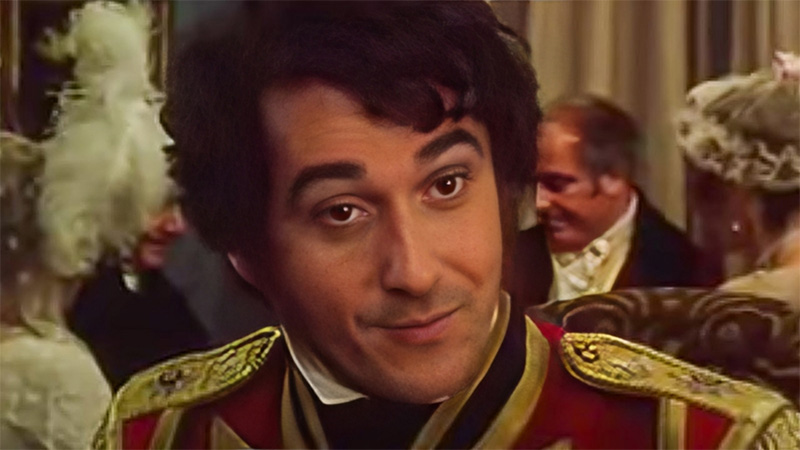
“你们路过金博顿村了吗?”
“我不记得是否…”
“哦,我提起这个是因为那本该是…授予我的圣职。”
在《傲慢与偏见》中,乔治·威克姆初登场时是个迷人讨喜的角色,但他真是英雄吗?本期视频将探讨威克姆如何从表面高尚的形象蜕变成自私的反派,试图揭开他隐藏的动机、与达西的恩怨及其行为的后果。
从我在莉迪亚视频评论区看到的反馈,许多观众已分享过对威克姆及其命运的看法。本期将尝试涵盖这些观点,敬请随我深入探究威克姆的虚伪魅力及其在奥斯汀经典小说中的角色定位。
迷人的第一印象
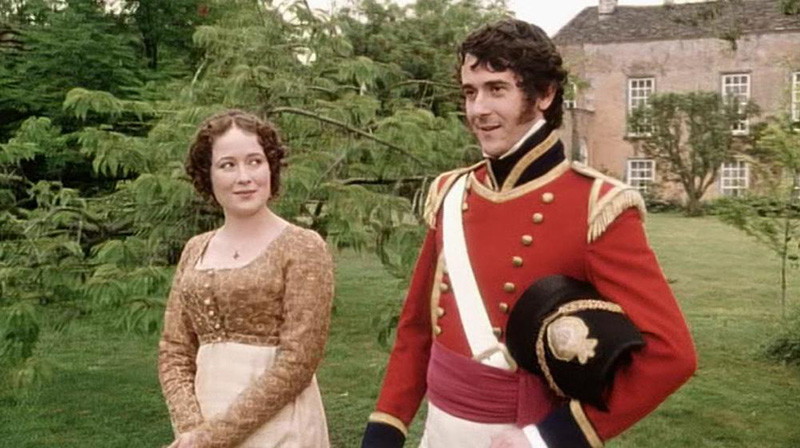
初识威克姆时,他俨然是完美绅士的化身。迷人的外表与从容的举止令他瞬间赢得众人好感,就连意志坚定、目光锐利的女主角伊丽莎白也为之倾倒。他迅速融入梅里顿社群,并在讲述自己遭达西苛待的故事时轻易获取同情。
“他承诺给我的圣职出现空缺时,那位儿子断然拒绝履行其父的承诺。”
威克姆的第一印象开朗而真诚。他将自己塑造成受害者,把达西描绘成剥夺其圣职的傲慢暴君。这番说辞完美契合伊丽莎白对达西的既有偏见,令其魅力倍增——此刻他俨然是遭受不公却依旧高贵的经典浪漫英雄。
操纵大师
随着威克姆逐渐渗透伊丽莎白的生活,他扮演着风趣青年形象——甚至是潜在的浪漫主角。他充满魅力与自信,毫不避讳地向伊丽莎白倾诉私密往事,以及达西所谓的背叛。
对伊丽莎白而言,威克姆具备达西缺乏的一切特质:热情、友善且易于亲近。扮演受害者的能力是其魅力的关键。早已对达西心存偏见的伊丽莎白,毫不怀疑地全盘接受了他的说辞。正是这种初始的魅力与操纵,使他成为如此引人入胜的角色。但我们都知道,威克姆的真相比表面复杂得多。
转折点:达西的揭露
在《傲慢与偏见》开篇,威克姆被塑造成潜在的正派角色。若你是初读故事且未看过改编作品,他的魅力与看似坦诚的特质,会让他成为伊丽莎白的理想浪漫对象——尤其与达西的冷漠形成鲜明对比。短期内,很容易将他视为值得同情的角色——一个受命运捉弄和达西残忍对待的受害者。
随着剧情推进,威克姆的真实本性逐渐显露。他操纵伊丽莎白、编造达西谎言的行动,证明他绝非最初呈现的英雄形象。这一转变标志着他开始蜕变为被揭穿的反派。
威克姆故事线的关键节点,是他与伊丽莎白谈及与达西过往的对话。他声称达西剥夺了父亲承诺授予他的珍贵圣职,并将此作为怨恨达西的理由。这个极具煽动性的故事完美利用了伊丽莎白的偏见。
这个场景之所以至关重要,是因为它加深了伊丽莎白对达西的偏见,进一步蒙蔽她的判断。威克姆的操纵手段精妙而有效——他深知如何通过扮演受害者博取同情,并借此挑拨伊丽莎白与达西的关系。有一条评论提出:威克姆可能是已故达西先生的私生子。我将评论展示在屏幕上。此前我从未考虑过这种可能性,但若属实,将为达西与威克姆的关系增添更多深意。
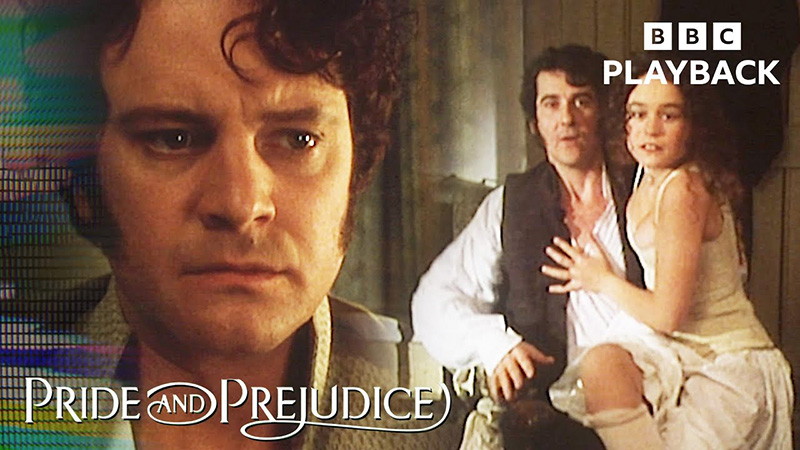
威克姆精心营造的形象在达西致伊丽莎白的信函后开始崩塌。信中达西揭露真相:威克姆曾试图诱拐其妹乔治安娜私奔,意图夺取她的财产。
这一揭露令伊丽莎白震惊,迫使她重新审视对威克姆的认知。值得玩味的是,我看到伊丽莎白同时对达西既愤怒又痛惜——她因达西拆散吉英与彬格莱而耿耿于怀,却又窥见了达西与威克姆恩怨的另一面。当达西在信中表明费茨威廉上校可作证此事真实性时,她似乎被说服了,终于认清威克姆一直在操纵她和所有人。
(威克姆与莉迪亚丑闻)
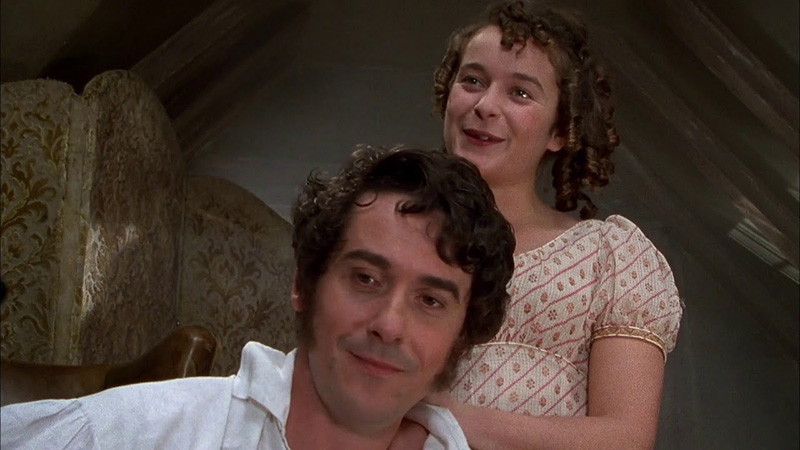
威克姆与莉迪亚的私奔是小说中最严重的丑闻。他诱拐年轻姑娘的行为不仅危及莉迪亚的名誉,更将班纳特家族的社会地位置于险境。其行为可能带来毁灭性后果,但符合本性的是,威克姆对自身行径的影响漠不关心。
他与莉迪亚的私奔本可轻易毁掉这个女孩,但自私蒙蔽了他对事态严重性的认知。其动机显而易见:追求金钱、地位和轻松出路,全然不顾过程中会伤害何人。
(威克姆vs达西:对比研究)
威克姆与达西的对抗是其作为反派的核心动力。对达西的怨恨驱动着他的多数行为——从对伊丽莎白撒谎到最终与莉迪亚私奔。威克姆的行动不仅出于私怨,更像是刻意破坏达西声誉与生活的企图。
多方维度上,威克姆与达西构成镜像对立:威克姆代表华而不实的魅力,而达西虽初显冷漠,随时间推移展现出深度与荣誉感。威克姆无法改变或成长的特性,反衬出达西的蜕变,使其成为达西的完美衬托。
威克姆亦符合经典”浪荡子”形象:迷人且具诱惑力,但本质自私不负责任。无论是企图诱拐乔治安娜还是最终与莉迪亚私奔,他对行为后果的漠视,刻画出一个纯粹受个人利益驱动的人物。
威克姆始终在暗处操纵局势谋取私利。与行为直率却常被误解的达西不同,威克姆的行径隐秘而具破坏性。其真实性格直到故事尾声才完全暴露——他的所作所为迫使他人直面其本性。
威克姆从潜在主角到反派身份的蜕变,突显了小说核心主题之一:表象与现实的对比。威克姆的外在魅力掩盖着危险的私心,而达西的明显傲慢却隐匿着深刻的正直。这种误判主题是《傲慢与偏见》的核心,威克姆的角色关键性地展现了表象如何轻易蒙蔽真相。
(结论:超越反派的意义)
威克姆是达西先生的直接对照。达西初显傲慢冷漠,最终展现高尚与善良;而看似迷人的威克姆,却被揭示为自私欺诈之徒。二人间的对比是小说探索人品与道德的核心。
威克姆作为反派的作用超越了他与达西的对抗。他通过滋养伊丽莎白对达西的偏见成为其障碍,使她在小说大半篇幅中无法看清真相。他的谎言蒙蔽她的判断,延迟了她对达西本质的认知,使威克姆不仅成为达西的反派,也是伊丽莎白的对抗者。幸而在故事后期,伊丽莎白完全认清其本性,不再受其蛊惑。
乔治·威克姆不仅是迷人的恶棍——他更是一面镜子,映照出小说”表象vs现实”的核心主题与毫无约束的自私的后果。其行为虽未主导故事,但涟漪效应塑造了伊丽莎白、达西甚至莉迪亚的旅程,使他成为叙事不可或缺的一环。
若无威克姆,《傲慢与偏见》将失去最引人入胜的对比:达西的道德操守与威克姆空洞魅力的抗衡。他的存在迫使伊丽莎白与达西直面自身偏见、误解与预设,最终引领他们走向更深刻的自我认知与相互尊重。
Did you go by the village of Kympton?
I don’t recollect that we…
Oh, I mention it because it was the living I should have… had.
In Pride and Prejudice, Mr. George Wickham enters as a charming and likable character, but is he really a hero? In this video, I want to explore Wickham’s transformation from a seemingly noble figure into a self-serving antagonist. I want to try and uncover his hidden motives, his rivalry with Darcy, and the consequences of his actions.
Judging from the comments in my video about Lydia, many of you have already shared your thoughts on Wickham, his choices and the eventual outcome. So hopefully I’ll try and cover some of those points in this video. Stick with me as I delve into Wickham’s deceptive charm and his role in Jane Austen’s classic novel.
The Charming First Impression
From the moment we meet Wickham, he seems to be the perfect gentleman. His charm, good looks and easy manners make him instantly likable. Even Elizabeth Bennet, our strong-willed and sharp-eyed protagonist, is drawn to him. The Meryton community quickly embraces him, and he effortlessly gains their sympathy when he shares a story of his supposed mistreatment by Darcy.
“And the living he had promised me fell vacant. The son refused point blank to honor his father’s promises.”
Wickham’s first impression is one of openness and honesty. He presents himself as the wronged party and Darcy as the arrogant and unjust man who deprived him of a living. This narrative fits perfectly into Elizabeth’s existing prejudice against Darcy, making Wickham even more appealing. He seems the classic romantic hero—a wronged and noble man.
The Master Manipulator
As Wickham continues to ingratiate himself into Elizabeth’s life, he plays the part of an interesting young man—in fact, a potential romantic lead. He is charismatic and confident, and he doesn’t shy away from telling Elizabeth about the intimate details of his life, as well as Darcy’s supposed betrayal.
To Elizabeth, Wickham is everything Darcy is not: warm, friendly and relatable. His ability to play the victim is key to his appeal. Elizabeth, having already judged Darcy harshly, accepts Wickham’s account without question. It is this initial charm and manipulation that make him such an intriguing character. But as we know, there’s far more to Wickham than meets the eye.
The Turning Point: Darcy’s Revelation
At the beginning of Pride and Prejudice, Wickham is positioned as a potential protagonist. If you’re new to the story and never seen any adaptations, his charm and apparent openness make him seem like the ideal romantic interest for Elizabeth, especially in contrast to Darcy’s aloofness. For a time, it’s easy to see Wickham as a sympathetic figure—a victim of circumstance and Darcy’s cruelty.
As the story progresses, Wickham’s true nature emerges. His actions—particularly his manipulation of Elizabeth and his lies about Darcy—show that he’s far from the hero he first appeared to be. This shift marks the beginning of his transformation into a revealed antagonist.
One of the pivotal moments in Wickham’s arc is his conversation with Elizabeth where he confides about his past with Darcy. Here, Wickham claims that Darcy deprived him of a valuable living that had been promised to him by Darcy’s father. This, he says, is why he harbors resentment towards Darcy. It’s a powerful story that perfectly plays into Elizabeth’s own biases.
This scene is crucial because it deepens Elizabeth’s prejudice against Darcy, clouding her judgment even further. Wickham’s manipulation is subtle but effective—he knows how to play the victim to win sympathy, and uses it to turn Elizabeth further against Darcy.
A Speculative Theory
Now a comment was left suggesting that Wickham might have been the bastard son of the late Mr. Darcy. I’ll put the comment on the screen here. I’ve not considered this possibility before, and if it were the case, it would add even more intrigue to the relationship between Darcy and Wickham.
The Truth Revealed
Wickham’s carefully crafted image begins to unravel after Darcy’s letter to Elizabeth. In the letter, Darcy reveals the truth: that Wickham had attempted to elope with Darcy’s sister Georgiana in order to gain her fortune.
This revelation shocks Elizabeth, forcing her to reconsider everything she thought she knew about Wickham. It’s an interesting juxtaposition because I see Elizabeth being both angry at Darcy and also grieved for him all at the same time. She’s torn because she is fully aware of Darcy’s involvement in keeping Jane and Bingley apart, but she’s now seeing the other side of the story concerning Darcy and Wickham.
When Darcy explains in his letter that Colonel Fitzwilliam can vouch for the validity of the truth, she seems to be persuaded that Darcy’s account is in fact the truth, and that Wickham has been playing her and everyone else along.
The Lydia Scandal
Wickham’s elopement with Lydia is the most serious scandal in the novel. By running off with a young girl, Wickham puts not only Lydia’s reputation at risk, but also the entire Bennet family’s social standing. The potential consequences of his actions are devastating, and yet true to his character, Wickham shows little concern for the impact of his behavior.
His elopement with Lydia could have easily led to her ruin, but Wickham’s selfishness blinds him to the gravity of the situation. His motives are clear: he seeks money, status and an easy way out without caring who gets hurt in the process.
Wickham vs. Darcy: A Study in Contrasts
Wickham’s rivalry with Darcy is central to his role as an antagonist. His resentment towards Darcy drives much of his behavior—from his lies to Elizabeth to his eventual elopement with Lydia. Wickham’s actions are not just personal; they appear as a deliberate attempt to undermine Darcy’s reputation and disrupt his life.
In many ways, Wickham and Darcy serve as opposites. Wickham represents charm without substance while Darcy, though initially reserved, reveals his depth and honor over time. Wickham’s inability to change or grow really emphasizes Darcy’s transformation, making Wickham a perfect foil to Darcy.
Wickham also fits the classic image of a Rake: charming, seductive but ultimately selfish and irresponsible. His lack of concern for the consequences of his actions—whether it’s his attempted elopement with Georgiana or his actual elopement with Lydia—paints him as a man driven purely by personal gain.
Thematic Significance
Throughout the novel, Wickham operates in the shadows, manipulating situations to his advantage. Unlike Darcy, whose actions are upfront and often misunderstood, Wickham’s behavior is hidden, only coming to light after the damage is done. His true character is not fully revealed until the end of the story, when his actions force others to confront the reality of who he is.
Wickham’s arc from potential protagonist to revealed antagonist highlights one of the novel’s central themes: the contrast between appearance and reality. Wickham’s outward charm masks a dangerous selfishness, while Darcy’s apparent pride conceals a deep integrity. This theme of misjudgment is at the heart of Pride and Prejudice, and Wickham’s role is critical in showcasing how easily appearances can deceive.
Conclusion: More Than a Villain
Wickham serves as a direct foil to Mr. Darcy. While Darcy initially seems proud and aloof but ultimately reveals himself to be honorable and kind, Wickham—who seems charming and likable—is revealed to be self-serving and deceitful. The contrast between these two men is central to the novel’s exploration of character and morality.
Wickham’s role as an antagonist extends beyond his rivalry with Darcy. He also acts as an obstacle for Elizabeth by feeding her prejudices against Darcy. Wickham prevents her from seeing the truth for much of the novel. His lies cloud her judgment and delay her eventual realization of Darcy’s true character, making Wickham an antagonist not just to Darcy, but to Elizabeth as well. Thankfully towards the end, Elizabeth becomes fully aware of Wickham’s character and is no longer duped by anything he says.
George Wickham is more than just a charming scoundrel—he’s a mirror, reflecting the novel’s central themes of appearance versus reality and the consequences of unchecked selfishness. His actions may not dominate the story, but their ripple effects shape the journeys of Elizabeth, Darcy and even Lydia, making him an essential piece of the narrative.
Without Wickham, Pride and Prejudice would lack one of its most compelling contrasts: the moral integrity of Darcy against the hollow charm of Wickham. His presence forces both Elizabeth and Darcy to confront their own prejudices, misunderstandings and assumptions, ultimately leading them towards greater self-awareness and mutual respect.