
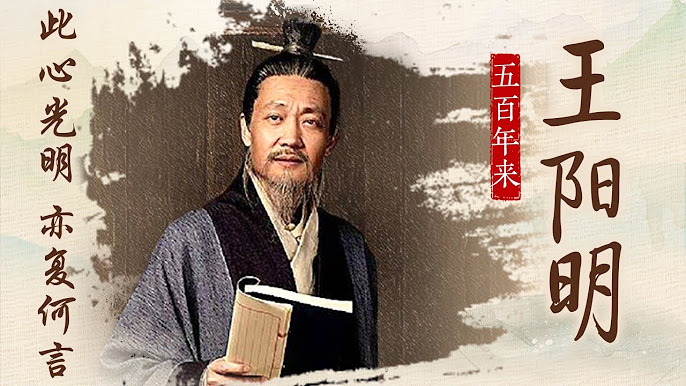
王阳明(1472年-1529年),明代著名的思想家、哲学家和军事家,不仅在心学领域有着深远的影响,同时也在书法艺术上颇有造诣。王阳明一生的书法研习,贯穿了他对内心修养、人生哲理的追求,其书法不仅是艺术表达的工具,更是他精神修为的反映。
Wang Yangming (1472–1529), a renowned Ming dynasty philosopher, thinker, and military strategist, made significant contributions not only in the realm of xin xue (the School of Mind) but also in the art of calligraphy. His study of calligraphy was intertwined with his pursuit of inner cultivation and life philosophy. For Wang Yangming, calligraphy was more than just a tool for artistic expression—it was a reflection of his spiritual refinement.

王阳明研习书法的故事 (The Story of Wang Yangming’s Calligraphy Practice)
王阳明自幼聪颖,喜欢学习书法。在青少年时期,他模仿过历代书法大家的作品,比如王羲之、颜真卿等,打下了扎实的基础。然而,书法之路并不一帆风顺。他在早年中尝试不同的书法风格,却始终觉得自己与这些前人的风格难以契合。尽管书写技巧愈加娴熟,但他感觉自己没有真正领悟到书法的内在精神。
据说,王阳明在一次静心练字时,突然领悟到书法不仅仅是形式上的优美,更是内心境界的展现。他意识到,书法并非单纯的技巧训练或临摹前人,而是一种内外合一的心灵表达方式。只有当内心达到某种平和与自洽时,才能通过书法的笔画展现出真正的美感与力量。
王阳明晚年时,有一次他在竹林中练习书法,感悟到“心即理”的道理。他将书法看作是心灵活动的体现,写字的过程不仅是手指、腕力的运用,更是思想和内心的反映。他曾说:“人须在事上磨,方立得住。”这句话不仅表达了他在为人处世方面的哲学,也反映了他在书法上对内外统一、实践与心性结合的深刻理解。
Wang Yangming showed an early interest in calligraphy and began studying it at a young age. During his youth, he imitated the styles of famous calligraphers from past dynasties, such as Wang Xizhi and Yan Zhenqing, laying a solid foundation for his skills. However, his journey in calligraphy was not without challenges. Despite mastering various styles, Wang felt disconnected from the works he emulated. His growing technical proficiency did not align with a deeper understanding of the essence of calligraphy.
One day, while practicing calligraphy in a state of calm focus, Wang Yangming suddenly realized that calligraphy is not just about outward aesthetics; it’s a manifestation of one’s inner state. He came to understand that calligraphy was not merely a skillful practice of copying the masters but rather an expression of one’s inner world. Only when the heart is calm and in harmony can the strokes on paper naturally convey true beauty and strength.
Later in life, Wang had an experience while practicing calligraphy in a bamboo grove, which deepened his understanding of his xin xue principle of “mind is principle” (xin ji li). For Wang, calligraphy became a reflection of his heart’s activities. Writing wasn’t just about controlling the hand and wrist; it was about expressing one’s inner thoughts and emotions. He once said, “One must be honed through real-world experiences to stand firm.” This statement, while addressing his philosophy of life, also reflects his understanding of calligraphy: a harmony between practice and inner self, between outer form and inner truth.
“万事万物之理不外于吾心。物理不外于吾心,外吾心而求物理,无物理矣。” 【王阳明】 (The essence of all things resides within the heart. The laws of the universe are inseparable from the mind; to seek them outside of oneself is to lose their true meaning.)
中文解读:”万事万物之理不外乎我们的心。心是人类认知和判断的源泉,同时也是人类行动的动力。万物之理皆源自于人的心灵世界,因此我们必须时刻关注和调整我们的心态,才能更好地认知世界,驱动我们的行动。
参考翻译:The principles governing all things are not beyond our hearts. The heart is the source of human cognition and judgment, and also the driving force behind human actions. The essence of all things originates from the inner world of the heart, and thus we must constantly observe and adjust our mindset to better understand the world and drive our actions.
中文解读:物理不外乎我们的心。我们对于物理现象的认知也是源自于我们的心灵世界。凭借着我们对于物理的认知,我们可以创造出众多的科技产品,开展出众多的科学研究。但是如果我们不保持对于心灵世界的关注,我们对于物理现象的认知也会小幅度地偏差。外在的物理世界需要与我们的心灵世界相互配合。我们可以通过不断地学习和研究,以及观察和思考来加深我们对于物理世界的认知,同时不断地调整和完善我们的心灵世界,来更好地适应物理世界。
The principles of nature are not external to our hearts. Our understanding of physical phenomena also stems from our inner world. Through our grasp of these principles, we can create various technological products and engage in scientific research. However, if we fail to maintain a focus on our inner world, our understanding of the external physical world may gradually become distorted. The external world must align with our inner world. We can deepen our understanding of the physical world through continuous learning, research, observation, and reflection, while constantly adjusting and refining our inner selves to better adapt to the physical realm.
中文解读:外在的物理世界是不可逃避的,我们必须先了解它才能掌握它。思考和调整自己的心态至关重要。如果我们对于心灵世界持续地保持警惕和调整,我们可以更好地认知自己和外界,同时也会提高我们的智力和理解能力,以及我们的修行水平。因此,我们应该时刻警惕自己的心态,并不断地通过与外部世界的联系和互动来调整自己的心态。”
参考翻译:The external world is unavoidable—we must first comprehend it in order to master it. Thought and self-adjustment are of utmost importance. By remaining vigilant and constantly fine-tuning our inner world, we can better understand both ourselves and the external world, while also enhancing our intellect, comprehension, and spiritual growth. Therefore, we must always remain aware of our mindset, continually adjusting it through our interactions with the world around us.
在王阳明的《传习录》里面,王阳明谈了如何学习书法,以下是王阳明谈如何学习书法的原文。
吾始学书,对模古帖,止得字形。后举笔不轻落纸,凝思静虑,拟形于心,久之始通其法。既后读明道先生书曰:“吾作字甚敬,非是要字好,只此是学。”既非要字好,又何学也?乃知古人随时随事只在心上学,此心精明,字好亦在其中矣。
王阳明教导自己的弟子们说:“我开始学习书法时,只是对着古帖临摹练习,这样练来练去,只是学到了字的形象,内在的神意却毫无所得。后来我改变了学习书法的方法,举笔不在轻易下笔,而是凝思静虑,先在心中勾勒出字的形状和笔画,这样练习久了之后,开始慢慢通达书法之道,后来读明道先生的书论说,写字的时候要恭敬,并不是字要写好,只是用这个恭敬的态度就是学习。”
既不是要字好,又为什么要去学习呢?通过学习书法的例子,于是我们就知道,古人无论做什么事情,随时都在心上学习,等于心精明透彻了,字自然也就写好了。通过王阳明谈书法,我们就可以知道,学习书法,是唯心的,只有心上学了,把书法融入到骨髓里面,你的字就会慢慢好起来。
记住王阳明那慢条斯理的一句话:“物理不外吾心,外吾心而求物理,非物理矣。” — 现代人唯求书法技术,不求心法,恐怕是道不远人而人自远之。