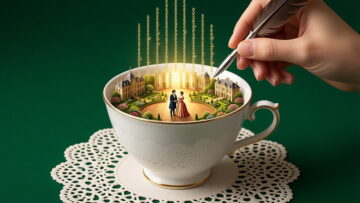

简·奥斯丁关于“象牙微雕”的说法,最早源于她在1816年写给侄子詹姆斯·爱德华的一封私人信件,这不仅是她对自己艺术风格的经典定义,也被后世学者视为她最深刻的文学自白之一。在信中,她用一种既谦逊又充满智慧的口吻评价侄子的作品,将其比作“充满生命力、充满精神、规模宏大且多姿多彩的草稿”。随后,她提出了那个著名的反问:“我该如何把它们嫁接到我这块只有两英寸宽的象牙小片上呢?”。她形容自己的工作是用“一把纤细的画笔”在象牙上进行雕琢,“辛苦良久却收效甚微”。
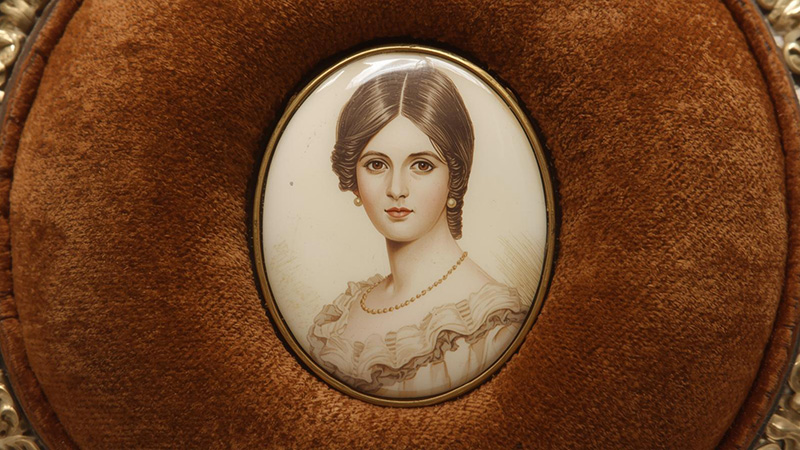
1. 极致的精确与“磨人”的工序
奥斯汀通过这个隐喻,首先强调的是她对语言和结构的极致掌控。在她的笔下,每一句结晶般的句子都像经过了宝石加工般的磨砺,追求一种“绝对风格”(Absolute Style),。她自述这种在象牙上的创作是“耗费了大量的劳动”,却只能产生“微小的效果”,。这就像我们写英语作文,不是辞藻堆砌得越多越好,而是要像她那样,在极小的语境里通过一个动词(如“一语双叙”技巧)实现讽刺与现实的精准对接。
2. 在“三四户人家”里雕刻宇宙
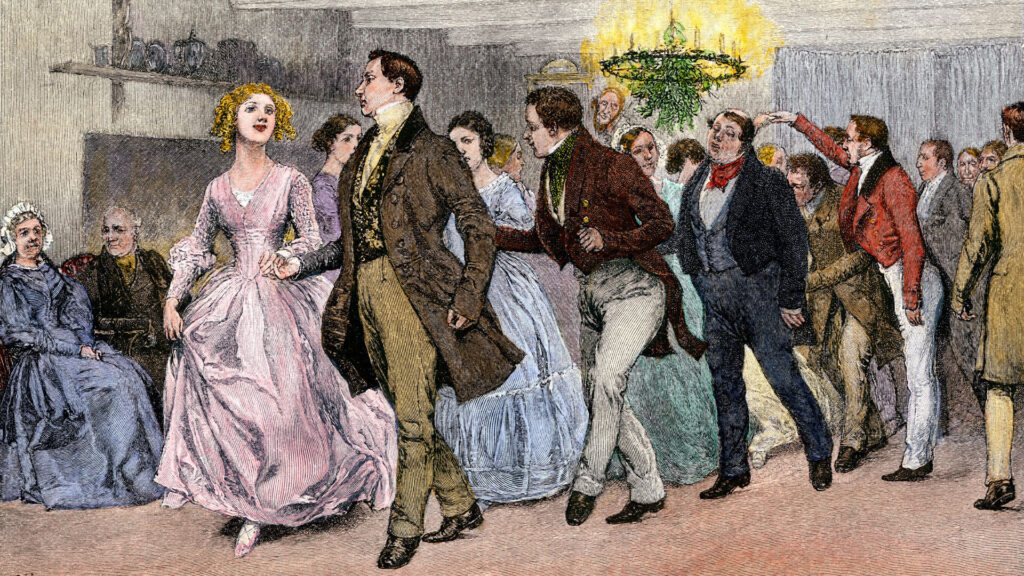
“两英寸”代表了她刻意选择的狭窄创作范围。她曾建议同样想写小说的侄女安娜:“在乡村小镇里的三四户人家,正是创作的好材料”,。奥斯汀深知,要在“象牙”这种坚硬且昂贵的媒介上创作,就必须放弃宏大的战争叙事或浪漫的英雄史诗,。她拒绝了摄政王图书馆长建议她写的“萨克森-科堡家族历史浪漫剧”,坚定地认为自己必须守住这种“两英寸”的风格。正如我们在课堂上讲的,真正的深度往往来自于对局部细节的无限挖掘,她通过这三四户人家的婚嫁琐事,构建出了一个完整且充满活力的社会“微缩球体”,。
3. 谦逊外壳下的“高级自黑”
这个隐喻其实是奥斯汀的一种保护色,或者说是她招牌式的“回声讽刺”。当时她侄子爱德华正在尝试写那种“充满生命力、充满精神、规模宏大”的小说草稿,。奥斯汀开玩笑说,自己绝不敢把他的那些“阳刚而充满活力”的速写强行嫁接到她那点“微不足道的象牙”上,。这种对比实际上是在通过调侃女性创作的“琐碎”,来反讽那些空洞无物的“宏大叙事”,。她用这种自谦的方式,悄悄地在读者的视野里移动了艺术完美的“标准线”。
4. “微型画”里的世界级地震
虽然画幅只有两英寸,但奥斯汀在上面雕刻的却是整个大英帝国的社会史。来源中提到,她能将世界级的“地震”(如拿破仑战争、奴隶贸易)转化为家庭级的“震动”(如军官进驻民兵团、曼斯菲尔德庄园背后的安提瓜糖厂),。这种“象牙微雕”策略使她能够通过观察人们如何喝茶、如何玩牌、如何评价一块绸缎,来精准测算社会阶层的“重力感应”和权力的博弈,。这种在受限空间内爆发出的惊人叙事张力,正是她被誉为“散文界莎士比亚”的原因,。
结语: 当你下次翻开《傲慢与偏见》或《爱玛》时,请想象你正捧着一块温润的象牙,那里面的每一个字母都是奥斯汀用细如发丝的画笔反复描摹出的社会真理,。她让我们明白,文学的力量不在于占地面积的大小,而在于那一两英寸的空间内,是否装得下整个人性的深度。你是否想深入了解,在这种“象牙微雕”的风格下,她是具体如何通过一个“牙签盒”的细节来讽刺像罗伯特·费拉尔那样的花花公子的?
In the world of literature, if some writers are muralists painting across vast city walls, Austen is the master engraver working under a magnifying glass. Her famous “ivory” manifesto is not just a modest quip; it is a declaration of her surgical precision and her “Absolute Style”,.
Here is the comprehensive English introduction to this fascinating concept:
——————————————————————————–
Jane Austen’s Art of the “Ivory Miniature”: A Manifesto of Precision
The concept of the “ivory miniature” originates from a private letter Jane Austen wrote to her nephew, James Edward Austen, on December 16, 1816,. It has since been regarded by scholars as one of her most profound aesthetic self-disclosures.
In the letter, Austen wittily evaluates her nephew’s rough drafts as “strong, manly, spirited Sketches, full of Variety and Glow”,. She then poses her famous rhetorical question: “How could I possibly join them on to the little bit (two Inches wide) of Ivory on which I work with so fine a Brush, as produces little effect after much labour?”.
From a linguistic and narratological perspective, this “two-inch bit of ivory” represents the precise boundaries of Austen’s narrative domain. She understood that she did not need the grand machinery of epic wars or heroic sagas. Instead, as she advised her niece Anna, her focus was firmly locked onto “3 or 4 Families in a Country Village”. This extreme compression of space forced her to develop a linguistic “Absolute Style,” characterized by crystalline clarity, economy of description, and rigorous self-restraint.
The “fine brush” mentioned in her letter manifests in her masterful use of “Free Indirect Discourse” (FID) and “colored narrative”,. Through this microscopic touch, she treats the details of ordinary life like a lapidary processing gemstones, allowing every ripple of social interaction to sparkle with irony and reason,. Modern critics have noted that this metaphor is a classic example of “echoic irony”: while she appears to self-deprecate the “smallness” of women’s writing, she is actually performing a high-stakes measurement of material life, money, and moral stakes.
Within these two inches of ivory, world-historical “earthquakes”—such as the shadow of the Napoleonic Wars or the complexities of the slave trade—are transformed into domestic “vibrations”,. She does not need to describe the battlefield; she reveals the shifting power of meritocracy over the hereditary class simply through the arrival of a militia regiment or the rise of a naval officer,. This “domestication” of grand themes is the essence of her miniature art, proving that the power of literature lies not in the size of the canvas, but in the depth of the human truth it uncovers.
When you examine her work closely, her meticulous attention to the price of furniture, the phrasing of a letter, or the texture of a muslin gown are the deep incisions left by that “fine brush” on the ivory,,. By using this “negative mode” of narration—limiting perspective and delaying information—she elevates the mundane into an enduring narrative art.