
电影《黑天鹅》深度解析+中英字幕可切换在线观看

黑天鹅暗示我们,人生就是一出戏。有时候演演自己,有时候演演别人。这部电影很容易被当成是一部励志片,但它其实并不是。看完这个视频,你需要回答两个问题:
-
在这个故事里,是谁害死了尼娜?留神,你不一定能找到准确的加害人。
-
尼娜很牛逼,还是很傻逼?你的答案将会折射出你的生活价值观。
电影提醒我们,就是当一个系统走下坡路,内卷就开始了。而且,谁都可能不是笑到最后的人。如果你一辈子老实巴交,你可能不会胜任人生这个剧本。但假如,连你的叛逆狂野,都是系统给你预制的人设,那这出戏,你还演不演?

一、尼娜的故事:一个“妈宝”舞者的困局
《黑天鹅》讲述的是妮娜的故事,也是许多人的人生故事。
妮娜是科班跳芭蕾舞的,打小就学,有天分,而且还刻苦。但她是个“妈宝”。大清早起来,妈妈给拉窗帘,还做好了早餐。妈妈赞叹着粉色的房间真漂亮。妈妈以前也是跳芭蕾舞出身,跑了一辈子龙套,现在岁数大了,把宝都压在了女儿身上,叫她甜心。单亲妈妈带着一个女孩,一天天琢磨的,全是跳舞的事。妮娜跟妈妈说,昨天做梦演上了白天鹅,波尔秀那个流派的。
妮娜去舞团了。大家都很刻苦。但电影插着耳朵告诉我们,这里“卷”得很厉害。高雅艺术没太大市场,女孩们抱怨,现在根本没人看芭蕾舞了,能坚持看完整段的都没几个。他们还聊起了当家花旦贝斯,岁数也不小了。有人说她舞跳得美,另一个人刻薄地接话,说我奶奶跳得也挺好。
话是刻薄了点,但这种“老女人”不腾地方,他们很难出头。这暗示了,当一个系统里面僧多粥少,人们就会互相提防,互相看不上,而且每个人都鬼精鬼精的。
二、系统的压力:当“完美”成为唯一的脚本
妮娜就生活在这个系统里。每个人都尽力演出一种松弛感,但别有一种死气沉沉。
新一季的《天鹅湖》就要上演了。妮娜是清纯系,教练托马斯说了,你演白天鹅没问题。他鼓励妮娜要超越自己,先惊艳自己,才能惊艳观众。但现在,一个人要同时扮演黑白两只天鹅。教练说你黑天鹅那一面的“妖气”不够,野气不足。
职场上最怕这种:夸你一下,又否定你一下。这是一种隐性的PUA,会让你玩了命地努力。好消息是,妮娜最终还是被定成了女主角。但代价是同行的嫉妒和诅咒。一个原来呼声很高的女孩维罗尼卡,给她一顿臭骂。而当她走进卫生间,发现镜子上写着“婊子”。
贝斯看妮娜也不顺眼,质问她是不是跟教练上床了才拿到角色。她就是之前女孩在背后议论的那个天鹅皇后。几年前她还是容光焕发,今年就成了舞台“要渣”,被剧团委婉地“优化”掉了。
一个人演上主角,一堆人不开心。这就是剧团的生态,也是现代职场的写照。我们品品这些人:
-
妈妈:年轻时候跳舞,竟给别人当分母了。女儿是他的续命,他把梦想寄托在孩子身上。
-
贝斯:是人前显贵,但红也就红那么几年,青春饭很不容易吃。
-
维罗尼卡:论功力不差,但主角只能有一个,尼娜一上,他就下来了。
-
影片里还有一个莉莉:她的天赋一般,但天生一股子邪气,是演黑天鹅最重要的气质。稍不留神就会被莉莉给顶下去。莉莉有时候会关心一下尼娜,但她时刻保持戒备。
这就是剧团的群像。就好比在一个单位,为了一朵小红花,所有人都用力过猛。
三、两种规训:粉色牢笼与黑色诱惑
无论如何,尼娜还是被老天爷眷顾了。当妈的很高兴,她给尼娜买了个大蛋糕。可当尼娜说胃疼不太想吃,她就立刻掉脸了,说那就扔掉好了。尼娜赶紧道歉。我们能感觉到这个妈妈很爱尼娜,但“你小时候学跳舞是我说了算,你现在的喜怒哀乐也是我说了算”。她没把尼娜当成一个独立的人。这么大个女儿,她还给剪指甲,剪得“嘣嘣”响,每一下都让尼娜心里一激灵。
这其实是电影的一个隐喻:指甲是攻击人的武器。这意味着,你的一丁点的攻击性,我都会给你压抑回去。而有的亲子关系,也的确会是这样。
还有一个细节:妈妈总是穿着黑色系的衣服。而那个丽丽,也一样像一只黑天鹅。暗示着人性里有阴暗的一面。妮娜眼下像个白天鹅,衣服都是粉嫩粉嫩的。但是她也常会碰到一个跟她一模一样的女孩。早班车里有这么个女孩,晚上地铁里也有这么个女孩。这暗示着尼娜也有一个“阴影自我”。
现在有一个难题:她妈给她圈养成了乖乖女,但教练PUA她变成坏女孩。就好比一个单位,一会希望你听话当小白兔,一会又希望你有主见、有冒险精神。妮娜就像两捆稻草中间的那头驴,彻底给整失语了。各种情绪都向内压抑,所以她背后老是出现抓痕。职场内卷和高功能焦虑,让他身体都出现症状。
四、自我的撕裂与献祭
虽然尼娜提防着丽丽,但她也是一种诱惑。毕竟她身上的那种野性,是尼娜欠缺的。有一天,妮娜的精神“副卡”被激活了。她跟着莉莉去了歌舞厅,她学会了喝酒、嗑药。有一刹那,她看见莉莉变成了自己。之前教练说他野性不足,这个对低自尊的人特别管用。而现在,他越来越像黑天鹅了。
有一天,他把家里的小熊、小兔子都扔进了垃圾通道。“我不当小白甜了。” 值得注意的是,即便他这么叛逆,也是在满足别人的期待,是一种另类的服从。
现在我们需要关注两个重要的角色:妈妈和教练托马斯。如果你是尼娜,那他们两个,就分别代表了两种社会规训力量。
-
妈妈代表的是“学校模式”:它的套路是压抑、控制、服从。“我给你粉色的房间,毛绒的玩具,我管你吃管你住,我天天盯着你,你就负责给我好好学习。” 在这个系统里,努力是唯一的要求,听话是最高的品德。
-
教练托马斯代表的是“公司模式”:他的套路是表现、超越、自我驱动。“我一边贬低你,一边又给你个甜枣,我就诱惑你,天天提醒你,你可以做得更好。” 这种权力模式更隐蔽,也更残酷。“我不拿鞭子抽你,但是你依然焦虑得像一条狗。”
前一个模式给你养成了白天鹅,后一个说你得像黑天鹅一样活出自我,你得野性、激情,你得燃起来。那你所谓的叛逆、野性、激情,其实都是服务于一个更大的商业价值。这就是电影为什么要设计一个人同时扮演两个角色——因为现实生活中,社会就是这么要求你的。
而现在,就为了当一季的女主角,妮娜越来越精神分裂了。离收演的日子越来越近了,尼娜的身上长出了黑天鹅的羽毛,腿也反折过来,就跟天鹅腿一样,甚至脚趾都合在一起了,类似于天鹅的脚蹼。这是电影的超现实手法。一切的迹象都表明,他越来越接近黑天鹅了。这说明,教练的力量还是占了上风。
他妈觉得他走火入魔,他给妈妈的手都给夹伤了。莉莉在后台化妆给他当替补,他就一下子掐死了莉莉,喊着该我上场了。丽丽会变成自己,而那个贝斯也会变成自己,整个人都是分裂的状态。
首演终于开始,教练说很好。在舞台上,她成了真正的黑天鹅,32个挥鞭转,技惊四座,完美无瑕,观众热烈鼓掌。这一刻,他跟《霸王别姬》里的程蝶衣一样,已经人戏不分。
最后一幕是白天鹅殉情,妮娜从高台坠落,血从肚子里流出来。原来在化妆间,他捅死的不是丽丽,而是他自己。妮娜最后说,我感受到了完美。但这句话其实很可疑——如果毁灭是一种完美,那么这种完美根本不值得。这其实是妈妈和教练定义的完美,这个应该叫做“献祭”。
五、现代寓言:谁是加害者?
这就是现代工业社会伟大的动力系统:天天诱惑你,又暗戳戳地贬低你。他不是奴隶社会,不拿小鞭子抽你,而是会让你“不待扬鞭自奋蹄”。最后,你符合了这个系统的期待,你也打心眼里认为你特别完美,就像上一代的贝斯那么光彩照人。
在这个故事里,是谁害死了妮娜?就是他的每一步都是“自主选择”,他的生活是“他说了算”。那你能够找到具体的加害人吗?或者说,你是那个妮娜吗?
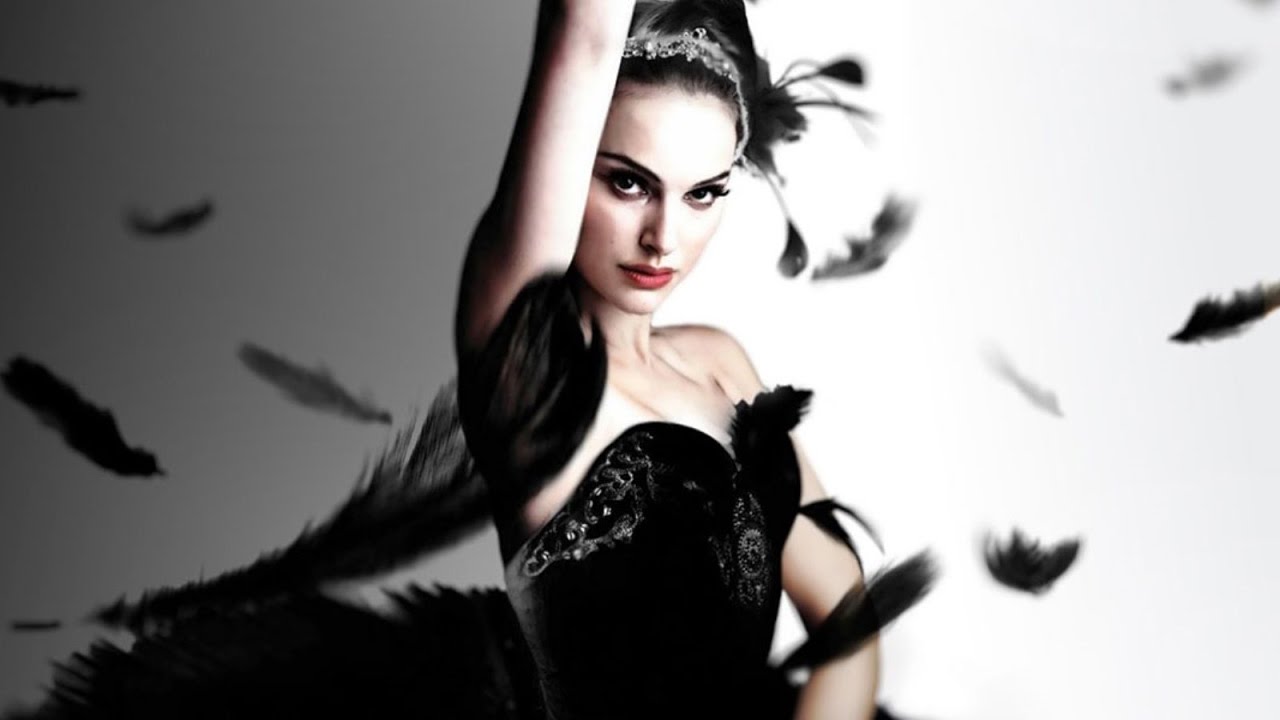
Title: Who Killed Nina? The Black Swan: A Modern Parable of Systems, Discipline, and Self-Sacrifice
(Intro: 0:00-0:45)
[Eerie, classical music mixed with subtle tension swells and fades]
Narrator: What if I told you the greatest threat to your potential isn’t a villain you can point to, but a role you were cast in long before you knew the script? The film Black Swan is often mistaken for a simple story of artistic triumph. It is not. It is a dark mirror held up to the systems that shape us.
By the end of this video, I want you to answer two questions for yourself:
-
Who, or what, actually killed Nina?
-
Does her story represent ultimate success or profound failure? Your answer will reveal your own stance on the values that govern modern life.
(Part 1: The Gilded Cage – Nina’s “Pre-Scripted” Life: 0:46-2:30)
Narrator: Nina is a technically flawless ballet dancer. She is also a prisoner. Her life is a meticulously curated performance directed by her mother, a former dancer who never made it past the corps de ballet. Nina’s world is pink, soft, and controlled—from her breakfast to her ambitions. Her mother’s unfulfilled dream has become Nina’s life sentence.
This dynamic reveals a powerful psychological mechanism: enmeshment. The child’s identity is not allowed to separate; their success is the parent’s redemption. Every clipped nail, a subtle metaphor in the film, isn’t just care—it’s the systematic filing down of any nascent claws, of any natural aggression or individuality.
Meanwhile, the professional system Nina enters is one of scarcity. The art form is dying, roles are few, and the aging prima ballerina is being pushed out. The message is clear: in a declining system, hyper-competition, or “involution,” becomes the default state. It’s not enough to be good; you must be the only one left standing.
(Part 2: The System’s Demand: Performing the Impossible Dichotomy: 2:31-4:15)
Narrator: Nina’s big break arrives with a twist: she must master the dual role of the pure White Swan and the sensual, wild Black Swan. Her director, Thomas, delivers the system’s central, contradictory mandate: he praises her technical perfection while ruthlessly criticizing her lack of “darkness,” of passion.
This is a classic “double-bind”—a no-win scenario that creates intense psychological stress. It’s also the engine of modern meritocracy: you are told to “be yourself” and “transcend,” but only within the narrow confines of what the system values. Her promotion triggers resentment, sabotage, and toxic gossip from rivals, framing success not as a victory but as a social transgression.
We see the ecosystem of this world:
-
The Mother: Represents the “pedagogical model”—control through care, reward for obedience, punishment for straying.
-
The Director, Thomas: Represents the “corporate model”—motivation through calibrated doses of humiliation and promise, leveraging anxiety and the desire for validation.
-
The Rivals: Represent the “social model”—peer surveillance, scarcity mindset, and the constant threat of replacement.
(Part 3: The Fracturing Self and the Shadow: 4:16-6:00)
Narrator: To access the Black Swan, Nina must confront her repressed “shadow self”—the part of her personality deemed unacceptable by her mother’s world. This shadow is externally projected onto Lily, a dancer who embodies the careless freedom Nina lacks.
Nina’s journey into “darkness”—going to a club, rebelling—feels like liberation. But here lies the film’s devastating insight: her rebellion is just another form of compliance. She is not discovering her own wildness; she is performing the wildness demanded of her by Thomas. Even her rejection of the pink, childlike toys is a desperate act to fit a new, approved mold.
Her body begins to manifest the psychological dissociation. She hallucinates, sees doppelgängers, and finds scratches on her own back—a physical symptom of internal conflict, what we might call somatization of high-functioning anxiety.
(Part 4: The Sacrifice: When Perfection is a Synonym for Annihilation: 6:01-8:15)
Narrator: As the premiere nears, Nina’s reality dissolves. In a horrific and surreal climax, she stabs her rival—only to discover the body is her own. She has literally destroyed the part of herself that couldn’t meet the system’s impossible demand.
On stage, she achieves the ultimate performance. The 32 fouettés are technically sublime; the Black Swan is fully realized. She has merged completely with the role. But this “perfect” moment is born from self-destruction. When she falls as the White Swan in the finale, the blood is real. Her final line, “I was perfect,” is the tragedy’s punchline: she has internalized the system’s definition of perfection, which equates to her own erasure.
This is not transcendence; it is ritualistic sacrifice. She has been perfectly processed by the machine.
(Conclusion & The Mirror: 8:16-10:00)
Narrator: So, who killed Nina?
Was it her overbearing mother? The manipulative director? The cruel peers? The film’s genius is that it offers no single villain. Instead, it points to the architecture of the system itself—an interlocking set of power structures (family, profession, society) that demand contradictory performances while offering the illusion of choice.
Nina’s every step was a “choice,” but made within a labyrinth designed by others. Her story is a extreme parable for a ubiquitous modern condition: being “self-driven” toward goals you didn’t set, measuring your worth by metrics you didn’t design, and mistaking exhaustion for excellence.
The system doesn’t need chains. It convinces you to build your own cage, then persuades you that the lock is a trophy.
The final question isn’t about Nina. It’s for you. In what ways are you performing the White Swan of obedient perfection, while being pressured to conjure a Black Swan of relentless passion? And at what cost? The most terrifying possibility the film presents is that you might not even recognize the sacrifice until it’s complete.
Find your own reflection before the curtain falls.