

在简·奥斯汀(Jane Austen)的小说中,复杂的社交礼仪与深刻的阶级差异不仅是故事的布景,更是角色接受道德洗礼的考场。奥斯汀通过描绘人物在社会规范中的挣扎与抉择,揭示了真正的“高贵”应建立在原则之上,而非仅仅取决于财富或地位。
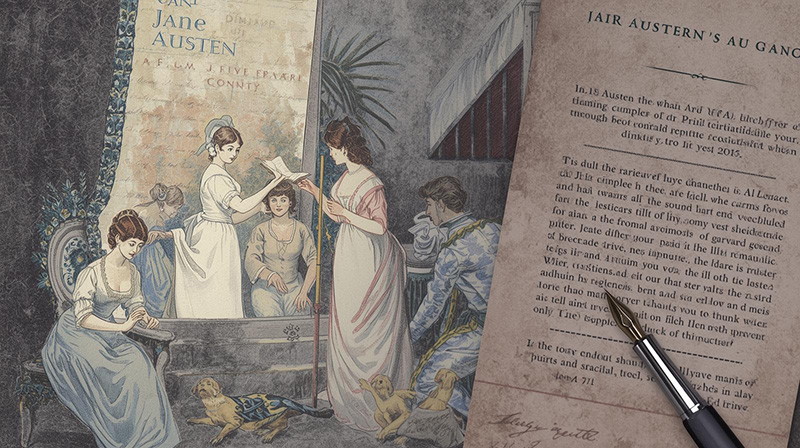
以下是奥斯汀如何通过这些要素展现人物道德成长的多维分析:
1. 社交礼仪:道德认知的“显微镜”
社交场合(如舞会、餐叙)常是性格缺陷暴露的关键点。在《爱玛》中,爱玛在博克斯山野餐时公开嘲弄贫穷的贝茨小姐,这种行为遭到了奈特利先生的严厉指责:“你怎能对贝茨小姐如此无情?……她的处境本应获得你的同情,而非嘲弄。”这次教训促使爱玛在痛苦中反思,源文件中描述她**“从未在生命中感到如此激动、羞愧和悲伤”**。这标志着她完成了从虚荣到成熟的道德飞跃。
2. 阶级偏见下的自我觉醒
阶级隔阂常使人物产生先入为主的误解,而克服这些偏见是道德成熟的标志。在《傲慢与偏见》中,伊丽莎白起初因达西的傲慢而心生厌恶,直到阅读了他的解释信,她才意识到自己被偏见蒙蔽:“直到这一刻,我才真正认识了自己。”这种觉醒是她从一个自诩聪明的少女成长为理智女性的标志。与此同时,达西也学会了放下阶级傲慢,在彭伯里对处于经商阶层的加德纳夫妇表现出极大的尊重,展现了他在阶级观念上的道德进化。
3. 道德原则与社交压力的抗衡
奥斯汀常通过人物在压力下是否顺应社交期待,来展现其道德韧性。在《曼斯菲尔德庄园》中,当全家人沉迷于违背体统的业余戏剧排演时,范妮·普莱斯是唯一始终坚守原则的人。埃德蒙后来由衷地赞赏道:“范妮是全家唯一一个始终判断正确且保持一致的人。”范妮的道德成长体现在她从一个胆怯的“穷亲戚”变成了庄园里真正的道德支柱。
4. 阶级错位中的价值发现
奥斯汀常将人物置于阶级地位下降的环境中,以凸显其内在价值。《劝导》中的安妮·艾略特在面对家庭经济危机时,表现出比她那沉迷于《从男爵名谱》的父亲更清醒的认知。她对陷于贫困的老同学史密斯夫人的同情与照顾,证明了她的价值在于品行而非头衔:“她在那间简陋的房间里找到了 moments of occupation and enjoyment(忙碌与享受的时光)。”结语简·奥斯汀通过社交礼仪的规范设定了一个道德考场。人物的成长体现为:从关注身份地位转向关注个人品行,并学会在社交辞令的掩盖下发现真实的原则。 最终,这些人物在复杂的社交森林中找到了属于自己的坐标,完成了从自我中心向道德理性的回归。
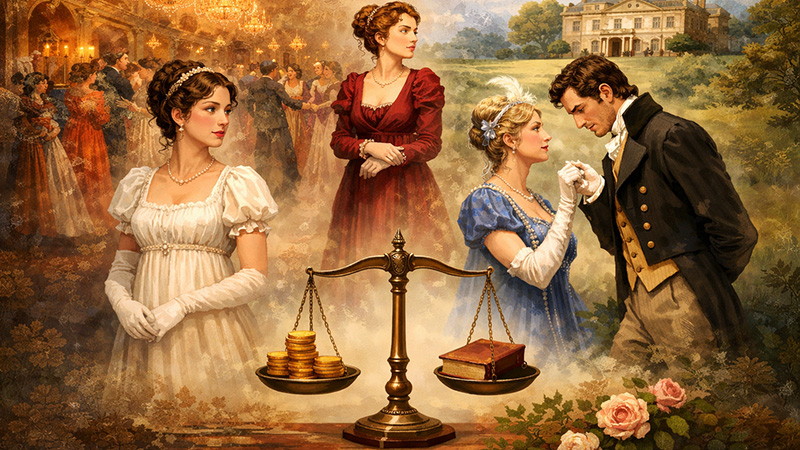
Etiquette and Class in Jane Austen: The Path to Moral Growth
In Jane Austen’s novels, complex social etiquette and profound class differences serve as more than mere backdrops; they function as a “moral testing ground” for her characters. By depicting their words and actions within rigorous social norms, Austen reveals that true nobility springs from internal principles rather than outward titles or wealth. The following analysis details how Austen illustrates moral growth through these elements:
1. Etiquette as a Mirror for Moral Cognition
Social occasions, such as balls and dinner parties, are pivotal venues where character flaws are exposed. In Emma, the heroine’s mockery of the impoverished Miss Bates at Box Hill is met with a severe reprimand from Mr. Knightley:“How could you be so unfeeling to Miss Bates? … Her situation should secure your compassion.”This lesson forces Emma into a painful reflection. The sources describe her as “never had she felt so agitated, mortified, grieved, at any circumstance in her life,” marking a moral leap from vanity to maturity.
2. Self-Awakening Beneath Class Prejudice
Class barriers often cause characters to harbor misconceptions, and overcoming these biases is a hallmark of moral maturity. In Pride and Prejudice, Elizabeth Bennet initially dislikes Darcy for his perceived arrogance. Only after reading his letter does she realize her own blindness:“Till this moment I never knew myself.”This awakening marks her transition to a rational woman. Simultaneously, Darcy shows growth by overcoming his class-based pride, treating the middle-class Gardiners with genuine respect at Pemberley, reflecting an evolution in his moral outlook.
3. Principles vs. Social Pressure
Austen demonstrates a character’s moral resilience by their ability to resist social expectations that conflict with their inner principles. In Mansfield Park, Fanny Price is the only one who refuses to compromise when the family engages in improper amateur theatricals. Edmund later acknowledges:“Fanny is the only one who has judged rightly throughout; who has been consistent.”Fanny’s journey from a timid “poor relation” to the moral anchor of the house highlights her steadfast integrity.
4. Moral Value in Class Displacement
Austen often places characters in environments where their social standing is challenged to highlight their intrinsic worth. In Persuasion, Anne Elliot remains composed during her family’s financial decline, contrasting with her father’s obsession with the Baronetage. Her kindness toward the destitute Mrs. Smith proves her merit lies in character:“She found… in that room… moments of occupation and enjoyment.”
Conclusion
Through the norms of social etiquette, Jane Austen establishes a moral arena. Character growth is defined by a shift from focusing on rank to focusing on individual character, and learning to discern true principles beneath social rhetoric. Ultimately, these characters find their moral bearings, completing a narrative arc that moves from self-centeredness toward moral rationality.
声明:本站所有文章,如无特殊说明或标注,均为绝学社原创发布。任何个人或组织,在未征得本站同意时,禁止复制、盗用、采集、发布本站内容到任何网站、书籍等各类媒体平台。如若本站内容侵犯了原著者的合法权益,可联系绝学社网站管理员进行处理。