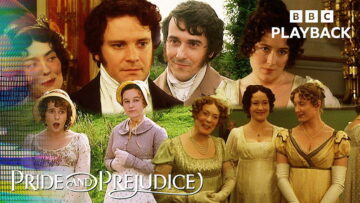
傲慢与偏见:班纳特先生性格特质分析


引言与聚焦班纳特先生——“恕我未能理解您的意思。您在谈论什么?”
大家好,欢迎收看我的《傲慢与偏见》角色分析系列视频的又一期。在本期视频中,我想探讨班纳特先生这个角色,因为在我看来,尽管他存在缺陷,却是我最喜欢的角色之一。您想告诉我,我也乐意洗耳恭听。班纳特先生是简·奥斯汀《傲慢与偏见》中班纳特家族的家长,也是文学史上最耐人寻味的父亲形象之一。他机智而讽刺,却又常常被动得令人沮丧,他体现了幽默与人性的复杂融合。在本视频中,我将审视班纳特先生的生活、他的人际关系及其在故事中的角色。我会使用95版改编剧的片段,为什么不呢?毕竟这是我最喜欢的改编版本。接下来,我将探讨他敏锐的机智、作为父母的失职,以及一些展现出惊人深度的时刻。
班纳特先生的背景与处境
“班纳特先生是浪搏恩庄园的主人,这座位于赫特福德郡的朴素庄园为他的家庭提供了住所和收入。他很可能像他那个社会阶层的绅士们通常所做的那样,继承了浪搏恩。庄园的限定继承权——即法律规定产业必须由男性继承人继承——加剧了班纳特家岌岌可危的处境。由于没有儿子继承,浪搏恩注定要传给班纳特先生的远房表亲柯林斯先生:‘…产业将由我的表侄柯林斯先生继承。等我死了,他想什么时候把你们撵出这所屋子,就可以什么时候撵出去。’ 限定继承权这样的安排,本意是为了将财产保留在家族血脉中,却常常使班纳特家的女儿们面临经济上的不确定性。尽管简·奥斯汀对班纳特先生婚前的生活着墨不多,但他对书籍的热爱和敏锐的才智暗示他曾有过更远大的抱负。然而,随着时间的推移,他的生活逐渐被定义为退入超然与幽默之中,以此作为应对机制。”
班纳特先生与班纳特太太的婚姻
“班纳特先生与班纳特太太的婚姻既富娱乐性,又带点辛酸。起初,他很可能被她的美貌和魅力所吸引,但久而久之,她的神经质和肤浅与他自身的才智和讽刺性格格格不入。在小说中,班纳特先生向伊丽莎白承认,他娶她是贪图她的美貌,并很快因她缺乏深度而感到幻灭。这种认识很可能导致他采取了一种近乎于轻蔑的、超然的态度:‘并非由于任何可能的或轻率的冒险,以满足男人的肉欲和胃口’。而班纳特太太则独自承担起操持家计的重担(当然,她的故事我会在另一期视频中详谈)。她为女儿们寻找丈夫的痴迷看似夸张,实则源于对她们未来经济保障的真切担忧。班纳特先生的冷漠迫使她独自背负这个重担,尽管她的方式常常事与愿违。这向我们展示了班纳特先生失职的一面。”
重新审视班纳特先生的失职
“接下来这个片段,我以前总觉得很有趣,现在却让我对班纳特先生的失职有了新的认识。实际上,我现在觉得艾莉森·斯戴曼(Alison Steadman)的表演非常打动人心,因为我看她演绎的班纳特太太突然意识到,她是在竭尽全力为女儿们和她们的未来打算,而这项任务几乎全靠她自己,班纳特先生几乎没帮上什么忙。她陷入了彻底的绝望:‘让我们祈祷我能活得比你久吧。’”
改编对比:班纳特夫妇的婚姻
“有一个叫Lady Gilrayne的网站,我会在描述区留下链接。上面有一篇对比1995版和2005版改编的文章,写得非常有趣——不妨去看看。事实上,如果我能找到,我会在这里放个链接。这篇对比关注的是班纳特夫妇的婚姻在两版中的呈现方式。文章写道:‘班纳特夫妇相爱?认真的吗?2005版我只看过一次…在那版里,班纳特夫妇是相爱的吗?我记不清了。’ 所以很明显,引文意思是:‘班纳特夫妇相爱?认真的吗?他们关系的全部意义就在于展示,即使是最聪明的人(此处指班纳特先生),也可能因为一时冲动(被肉体激情驱使)仓促结婚,而终生被拴在一个十足的蠢人身边。他们注定是无可救药地不相配;他们的婚姻是一场灾难。奥斯汀在此想表达一个观点:用脑子思考,而不是用下半身。’ 嗯,我确信她没用那个词(指penis),但这确实引人深思,不是吗?对比2005版和1995版的改编,哪一个更忠实于原著地展现了这段关系?‘我讨厌彬格莱先生。’‘真遗憾,要是我早上知道这事,我就不去拜访他了。’”
班纳特先生的机智:力量与弱点
“班纳特先生的机智是他最令人难忘的特质之一。他以惊人的洞察力看穿他人的矫揉造作,常常用幽默来突显其荒谬之处:‘大约一个月前,我收到这封信,大约两周前我回了信,因为我认为这事需要及早关注,有些棘手。’ 例如,他对柯林斯先生和咖苔琳·德·包尔夫人的反应,显示了他对谄媚和特权的鄙视:‘他算得上是个明白人吗?’‘我想不见得吧,亲爱的。我倒真希望发现他恰恰相反。’ 然而,他的幽默也可能成为一种盾牌,使他得以远离为人父母和婚姻带来的挑战。虽然他的观察力敏锐,但他拒绝采取行动的态度常常加剧了他所批评的那些问题。例如,当伊丽莎白质疑他时,他将丽迪雅的轻佻行为斥为‘仅仅是愚蠢’——‘我们这辈子也难得享受过什么别的快乐,可是有两个傻女儿,这倒是可以自慰一下的’——这使他忽视了丽迪雅鲁莽行为可能带来的后果。”
班纳特先生作为父亲的失职
“作为父亲,班纳特先生的缺点显而易见。他公开偏爱伊丽莎白,欣赏她的聪慧,同时却将丽迪雅和吉英贬为轻浮(用他自己的话说是‘傻丫头’)。这种偏袒造成了家庭内部的不平衡,迫使吉英和伊丽莎白承担起家庭的责任。那么,这些责任是什么呢?你可能会问。好吧,如果班纳特先生做了正确的事,他就应该关心家族的声誉与和睦。伊丽莎白常常充当家中的理性之声;她直面丽迪雅等人的不当行为,并努力减轻其社会后果。例如,伊丽莎白直接警告父亲不要让丽迪雅去布莱顿,她预见到了丑闻的可能:‘请原谅我不得不直话直说。如果你不费点心思去约束一下她那副野马似的大大咧咧的神气,那么她很快就会无可救药了。她一旦定了型,就一辈子也改不了。她才不过十六岁,就成了一个十足的浪荡女子,弄得她自己和家庭都惹人笑话。’ 另一方面,吉英的温柔和镇定,为母亲和妹妹们制造的混乱起到了缓冲作用。虽然吉英不会主动对抗任何人,但她的举止有助于柔化家族在公众眼中的形象。”
伊丽莎白与吉英的角色
“伊丽莎白常常在家庭成员间充当调解人,尤其是在父亲退入冷漠、母亲变得过分戏剧化的时候。例如,她经常通过谈话来化解紧张或转移焦点,比如柯林斯先生来访时,或者班纳特太太过于激动时:‘妈妈,我走了以后,你见过夏绿蒂·卢卡斯吗?’ 吉英作为和事佬的角色意味着她常常承受情感压力,尤其是来自母亲的压力,母亲把她当作知己。因此,伊丽莎白和吉英的成熟,与父母和妹妹们的不负责任形成了鲜明对比。她们的行为树立了榜样,即使只是部分地,也稳定了家族的形象。她们肩负的责任并非物质上的(如操持家务),而是社交和情感上的:维护家族所能保持的尊严,并在一个原本混乱的环境中充当稳定的支柱。”
尽责时刻与达西的批评
“然而,班纳特先生也并非完全漠不关心。当丽迪雅与韦翰私奔时,他立即采取行动,前往伦敦寻找她(尽管最终是达西解决了问题)。班纳特先生的努力表明他内心深处对家族声誉的关切。这一刻虽然短暂,却为他的角色增添了一层救赎的色彩:‘我打心底里为自己感到羞愧,丽萃。’ 其他角色也为我们理解班纳特先生提供了宝贵的见解。达西先生给伊丽莎白的信批评了班纳特家的行为:‘令堂娘家虽然不够体面,可是比起你们那种完全没有体统的情形来,便又显得微不足道了…令堂,令妹…甚至偶尔还包括令尊。’ 尽管达西主要关注的是班纳特太太和丽迪雅,但他的观察突显了班纳特先生冷漠所造成的后果。在尼日斐花园的舞会上,班纳特先生当众斥责曼丽的表演也提供了洞察:‘你让别的姑娘们也有机会表演表演吧。’ 他关于让别人表演的评论虽显幽默,却暴露了他因家人让自己难堪而感到不适,以及他依赖讽刺而非策略的性格。”
与伊丽莎白的关系
“班纳特先生与伊丽莎白的关系建立在相互尊重和理解的基础上,这是他所有子女中最深厚的情感纽带。他珍视她的机智、聪慧和强烈的道德感——这些品质似乎被他视为自身优点的映照。这种亲密关系在他支持伊丽莎白拒绝柯林斯先生的决定中表露无遗,尽管班纳特太太极力反对,这显示了他相信伊丽莎白有能力为自己的幸福做出选择:‘如果你不嫁给柯林斯先生,你妈妈就再也不要见到你了;要是你嫁给他,我就再也不要见到你了!’ 然而,伊丽莎白并非对父亲的缺点视而不见;正如我之前所展示的,她因他对丽迪雅事件不作为而严厉责备他,透露出深深的失望。这种互动为他们的纽带增添了复杂性,表明她虽钦佩他,但也认清了他的缺陷。也许对他们关系最动人的证明,发生在伊丽莎白接受达西第二次求婚时。班纳特先生的反应既幽默又发自内心。起初因达西的声誉而犹豫,他向伊丽莎白寻求对她感情的确信。当他意识到她深挚的爱意以及达西品格的可靠时,他对她说:‘我可不情愿把你嫁给一个够不上这种标准的人,丽萃。’ 这一刻凝聚了他对她深沉的慈爱与自豪。”
本杰明·惠特罗的表演(1995版改编)
“我想谈谈本杰明·惠特罗(Benjamin Whitrow)的表演。他的表演常因捕捉到班纳特先生角色的细微之处而受到赞誉,这是其他版本演绎可能未能完全实现的。惠特罗对班纳特先生机智和讽刺的演绎含蓄而犀利,完美地映照了奥斯汀的描绘:‘丽萃,什么时候轮到你呢?你可不能长久落在吉英后面呀。让韦翰做你的意中人吧。他是个有趣的小伙子,他甩了你,还甩得挺体面。’ 与一些过度渲染喜剧效果的版本不同,惠特罗在幽默与沉静庄重之间取得了平衡,尤其是在展现脆弱的时刻。例如,他对伊丽莎白接受达西求婚的反应,堪称克制情感的典范,展现了一位父亲的骄傲与慈爱,而不流于过度感伤。惠特罗也传达了班纳特先生的缺陷——他的被动与超然——而没有让他显得残忍或漠不关心:‘我打心底里为自己感到羞愧,丽萃。不过别灰心,这种心情会过去的,而且毫无疑问,比它该持续的时间还要快。’ 这种平衡的处理方式让观众看到班纳特先生是一个多面的角色,有缺陷但充满人性。与其他改编版本相比,例如2005年的电影(其中班纳特先生被演绎得更温和、更浪漫化),惠特罗更忠实于奥斯汀的原著刻画。他的班纳特先生既讽刺又敏锐,既超然又在真正重要时刻深怀关切——或许是对这一文学角色的完美体现:‘我可不可以请问你一下,他这种殷勤讨好的行为,是出于一时的心血来潮,还是出于久经考虑的深思熟虑?’”
结论:班纳特先生永恒的人性
“那么,综上所述,班纳特先生可能并非完美的父亲或丈夫,但他无疑是简·奥斯汀笔下最经久不衰、最富人性的角色之一。他敏锐的机智和对他人深刻的洞察力,成就了《傲慢与偏见》中一些最令人难忘的瞬间。本杰明·惠特罗在95版改编剧中的表演精彩地捕捉到了这种平衡,向我们展示了一个人,他虽有缺陷,却深深了解周围的世界以及家庭面临的挑战。他与伊丽莎白的关系,在一个常常被混乱与荒诞定义的家庭中,犹如相互尊重与慈爱的灯塔;他们的纽带提供了稳定与深度。通过伊丽莎白,我们看到了班纳特先生更好的品质:对才智的热爱、对个人幸福的珍视,以及为保障她的未来而甘愿放下讽刺的意愿。最终,班纳特先生提醒我们,即使是有缺陷的人,也能在他们所爱之人的生命中扮演至关重要的角色。他用机智和幽默来抵御生活的艰辛,却也为我们提供了一幅关于人性复杂性的真实而持久的写照。正是这种充满矛盾的人性,使得班纳特先生不仅是一个笑料的来源,也是一个蕴藏着无声力量的角色。‘关上门,丽萃。’”

Introduction and Focus on Mr. Bennet
“I have not the pleasure of understanding you. Of what are you talking? ”
Hi, welcome to another video in my series of Pride and Prejudice character analysis. Now in this video, I want to look at Mr. Bennet because I see him as one of my favorite characters, despite his flaws. You want to tell me, and I have no objection to hearing it. Mr. Bennet is the patriarch of the Bennet family in Jane Austen’s Pride and Prejudice and is one of literature’s most intriguing father figures. Witty and ironic yet often frustratingly passive, he embodies a mix of humor and human flaws. In this video, I’ll examine Mr. Bennet’s life, his relationships, and his role in the story. I’ll be using clips from the 95 adaptation because why not? It is my favorite adaptation after all. Now, I’ll explore his sharp wit, his parental failings, and also some moments of surprising depth.
Mr. Bennet’s Background and Situation
“Mr. Bennet is the master of Longbourn, a modest estate in Hertfordshire which provides his family with their home and income. He likely inherited Longbourn as was customary for gentlemen of his social rank. The estate’s entailment—a legal stipulation that it must pass to a male heir—adds to the Bennets’ precarious situation. Without a son to inherit, Longbourn is destined for Mr. Bennet’s distant cousin, Mr. Collins: ‘…it is from my cousin Mr. Collins, who when I am dead, may turn you all out of this house as soon as he pleases.’ An arrangement such as an entailment, while designed to preserve property within a family line, often left daughters like the Bennets vulnerable to financial uncertainty. While Jane Austen gives us little information about Mr. Bennet’s life before his marriage, his love of books and sharp intellect suggest a man who once had grander aspirations. However, over time, his life became defined by his retreat into detachment and humor as coping mechanisms.”
Mr. Bennet’s Marriage to Mrs. Bennet
“Mr. Bennet’s marriage to Mrs. Bennet is both entertaining and bittersweet. Initially, he was likely attracted to her beauty and charm, but over time, her nerves and superficiality clashed with his intellect and sardonic nature. In the novel, Mr. Bennet admits to Elizabeth that he married her for her looks and was soon disillusioned by her lack of depth. This realization probably led him to adopt a detached attitude that often bordered on disdain: ‘Not by any to be enterprise likely or wantonly to satisfy man’s carnal lust and appetites.’ Mrs. Bennet, for her part, is left to manage the family’s fortune (now I’ll cover her story in another video, I’m sure). Her obsession with finding husbands for her daughters may seem exaggerated, but it stems from a genuine concern about their financial security. Mr. Bennet’s indifference forces her to bear this burden alone, albeit in ways that undermine her intentions. This shows us one side of Mr. Bennet’s failings.”
Re-evaluating Mr. Bennet’s Failings
“The following clip, which I always used to find quite funny, makes me see Mr. Bennet’s failings in a new light. Actually, I now find it quite moving how Alison Steadman’s performance really tugs at my heartstrings because I see her showing Mrs. Bennet suddenly realizing that she’s trying to do her best for her daughters and their future, and the task is left to herself with little help from Mr. Bennet. She is in utter despair: ‘Let us frustrate ourselves that I might outlive you.'”
Adaptation Comparison: The Bennets’ Marriage
“There’s a website called Lady Gilrayne, and I’ll leave a link in the description. It’s a comparison made between the 1995 and the 2005 adaptation, and it’s a hilarious read—go and check it out. In fact, if I can find it, I’ll put a link up here. Now, the comparison concerns the Bennets’ marriage and how it’s portrayed in the 2005 version as opposed to the 95 version. The following is written: ‘Mr and Mrs Bennet being in love? Seriously? I’ve only seen the 2005 version once… in that version, are Mr and Mrs Bennet supposed to be in love? I can’t remember.’ So obviously in this quote: ‘Mr and Mrs Bennett being in love? Seriously? The whole point of their relationship is to demonstrate how even the most intelligent person (in this case Mr Bennet) can find himself chained for life to a complete fool, simply because of a hasty marriage brought on by a physical passion. They’re meant to be hopelessly incompatible; their marriage is a disaster. Austen is making a point here: think with your brain, not your penis.’ Well, I’m sure she didn’t say that word, but it does make you think, doesn’t it? The comparison between the 2005 and the 1995 adaptation: which one shows the relationship truer to the book? ‘I am sick of Mr. Bingley.’ ‘I’m sorry to hear that. If I’d known as much this morning, I should never have called on him.'”
Mr. Bennet’s Wit as Strength and Weakness
“Mr. Bennet’s wit is one of his most memorable traits. He sees through the pretensions of others with remarkable clarity, often using humor to highlight their absurdities: ‘About a month ago I received this letter, and about a fortnight ago I answered it, for I thought it was a case of some delicacy in requiring early attention.’ For example, his reaction to Mr. Collins and Lady Catherine de Bourgh shows his disdain for adulation and entitlement: ‘Can you be a sensible man, sir?’ ‘Oh I think not, my dear. Indeed I have great hopes of finding him quite the reverse.’ However, his humor can also be a shield, allowing him to distance himself from the challenges of parenting and marriage. While his observations are sharp, his refusal to act on them often exacerbates the very problems he’s critiquing. For example, his dismissal of Lydia’s behavior as mere silliness—’Our life holds few distinctions, Mrs. Bennet, but I think we may safely boast that here sit two of the silliest girls in the country’—when confronted by Elizabeth, blinds him to the potential consequences of her recklessness.”
Mr. Bennet’s Failings as a Father
“As a father, Mr. Bennet’s shortcomings are evident. He openly favors Elizabeth for her intelligence while dismissing Lydia and Kitty as frivolous (‘silly girls’). This favoritism creates an imbalance in the household, leaving Jane and Elizabeth to shoulder the family’s responsibilities. And what are these responsibilities? You may ask. Well, if Mr. Bennet did the correct thing, he’d be concerned about the reputation and harmony of the family. Elizabeth often acts as the voice of reason; she confronts inappropriate behavior like Lydia’s recklessness and tries to mitigate the social consequences. For example, Elizabeth directly warns her father about allowing Lydia to go to Brighton, recognizing the potential for scandal: ‘Excuse me, I must speak plainly: if you do not take the trouble to check her, she will soon be beyond the reach of Amendment. Her character will be fixed as the most determined flirt that ever made herself and her family ridiculous.’ Jane, on the other hand, has a gentleness and composure which provides a counterbalance to the chaos created by their mother and younger sisters. While Jane doesn’t actively confront anyone, her demeanor helps soften the family’s public image.”
Elizabeth and Jane’s Roles
“Elizabeth often steps in as a mediator between family members, particularly when her father retreats into indifference and her mother becomes overly dramatic. For example, she frequently engages in conversations to defuse tensions or redirect focus, such as when Mr. Collins arrives or when Mrs. Bennet becomes overawed: ‘Mama, have you seen Charlotte Lucas since I came away?’ Jane’s role as a peacemaker means she often absorbs emotional stress, particularly from her mother, who leans on her as a confidant. So, Elizabeth and Jane’s maturity contrasts sharply with the irresponsibility of their parents and younger sisters. Their behavior sets an example, stabilizes the family’s image even if only partially. The responsibilities they shoulder aren’t material (like running the household) but social and emotional: preserving what dignity the family can maintain and acting as pillars of stability in an otherwise chaotic environment.”
Moments of Responsibility and Darcy’s Critique
“And yet, Mr. Bennet is not entirely indifferent. When Lydia elopes with Wickham, he takes immediate action, travelling to London to find her (although it is Darcy who ultimately resolves the situation). Mr. Bennet’s efforts show his underlying concern for his family’s reputation. This moment, while brief, adds a layer of redemption to his character: ‘I’m heartily ashamed of myself, Lizzie.’ Other characters offer valuable insights into Mr. Bennet. Mr. Darcy’s letter to Elizabeth critiques the Bennet family’s behavior: ‘The situation of your mother’s family, though objectionable, was nothing in comparison of that total want of propriety so frequently betrayed by your mother, your younger sisters… and even, occasionally, your father.’ Though Darcy’s main focus is on Mrs. Bennet and Lydia, his observations highlight the consequences of Mr. Bennet’s indifference. At the Netherfield ball, Mr. Bennet’s public reproach of Mary also provides insight: while his remark about allowing others to perform is humorous, it underscores his discomfort with being embarrassed by his family and his reliance on sarcasm rather than tact.”
Relationship with Elizabeth
“Mr. Bennet’s relationship with Elizabeth is one of mutual respect and understanding, making it the most profound connection he has with any of his children. He values her wit, intelligence, and strong moral compass—qualities he seems to see as a reflection of his own better traits. This bond is evident when he supports her decision to refuse Mr. Collins despite Mrs. Bennet’s insistence, demonstrating his belief in Elizabeth’s ability to make choices for her own happiness: ‘Your mother will never see you again if you do not marry Mr. Collins. I will never see you again if you do!’ However, Elizabeth is not blind to her father’s faults; she rebukes him for his inaction regarding Lydia, revealing the depth of her disappointment. This dynamic adds complexity to their bond; while she admires him, she recognizes his flaws. Perhaps the most moving testament to their bond comes when Elizabeth accepts Mr. Darcy’s second proposal. Mr. Bennet’s reaction is both humorous and heartfelt. Initially hesitant because of Darcy’s reputation, he seeks reassurance from Elizabeth about her feelings. When he realizes the depth of her love and the worthiness of Darcy’s character, he tells her: ‘I could not have parted with you to anyone less worthy, Lizzie.’ This moment encapsulates his deep affection and pride in her.”
Benjamin Whitrow’s Performance (1995 Adaptation)
“I’d like to take a look at Benjamin Whitrow’s performance. His performance has often been praised for capturing the nuances of Mr. Bennet’s character in ways that other portrayals may not have fully realized. Whitrow’s subtle delivery of Mr. Bennet’s wit and sarcasm is both understated and biting, perfectly mirroring Austen’s depiction: ‘When is your turn to come, Lizzie? You can hardly bear to be long outdone by Jane. Let Wickham be your man. He’s a pleasant fellow, he jilted you creditably.’ Unlike some portrayals that overplay the comedic aspects, Whitrow balances the humor with quiet gravitas, particularly in moments of vulnerability. For instance, his response to Elizabeth’s acceptance of Darcy is a masterclass in restrained emotion, showing a father’s pride and affection without becoming overly sentimental. Whitrow also conveys Mr. Bennet’s flaws—his passivity and detachment—without making him appear cruel or indifferent: ‘I’m heartily ashamed of myself, Lizzie. But don’t despair, it’ll pass and no doubt more quickly than it should.’ This balanced approach allows viewers to see Mr. Bennet as a multi-dimensional character: flawed but deeply human. Compared to other adaptations, such as the 2005 film where Mr. Bennet leans heavily into a softer, more romanticized version, Whitrow stays truer to Austen’s original portrayal. His Mr. Bennet is sardonic yet perceptive, detached yet deeply caring when it truly matters—perhaps the perfect embodiment of the literary character: ‘May I ask, whether these pleasing attentions proceed from the impulse of the moment, or are they the result of previous study?'”
Conclusion: The Enduring Humanity of Mr. Bennet
“In conclusion then, Mr. Bennet may not be the perfect father or husband, but he is undeniably one of Jane Austen’s most enduring and human characters. His sharp wit and piercing insights into others provide some of the most memorable moments in Pride and Prejudice. Benjamin Whitrow’s performance in the 95 adaptation captures this balance beautifully, showing us a man who, while flawed, is deeply aware of the world around him and his family’s challenges. His relationship with Elizabeth stands out as a beacon of mutual respect and affection in a household often defined by chaos and absurdity; their bond provides stability and depth. Through Elizabeth, we see Mr. Bennet’s better qualities: his love of intellect, his value for individual happiness, and his willingness to set aside his sarcasm to ensure her future. Ultimately, Mr. Bennet reminds us that even flawed individuals can play vital roles in the lives of those they love. His use of wit and humor may shield him from life’s hardships, but they also offer us an honest and enduring portrayal of human complexity. It’s this humanity with all of its contradictions that makes Mr. Bennet not just a source of amusement, but also a character of quiet strength. ‘Shut the door, Lizzy.'”