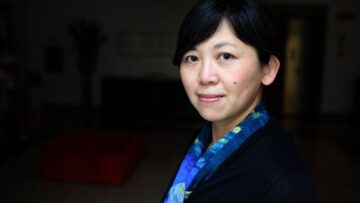
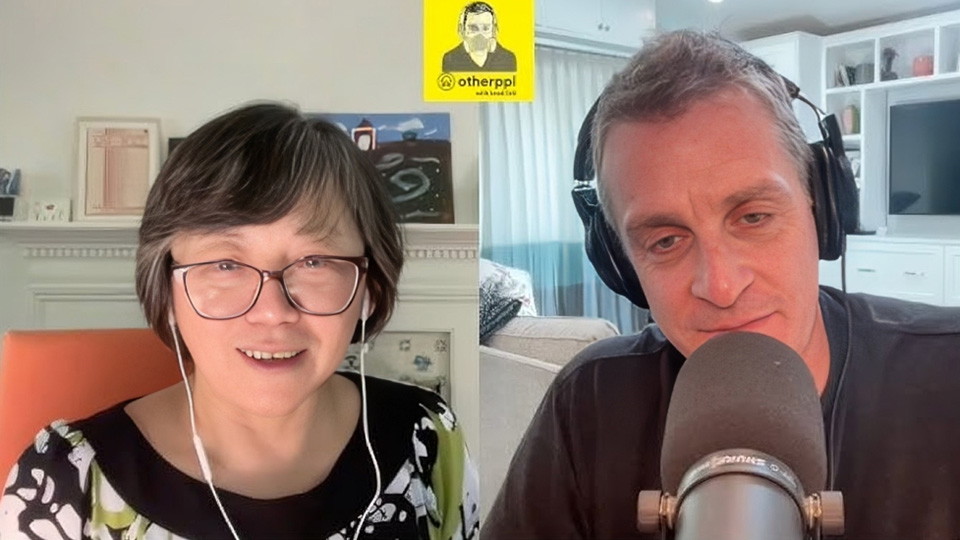
Otherppl播客主Brad Listi与李翊云访谈实录

访谈由Otherppl播客主持人Brad Listi与美籍华人作家李翊云进行,讨论她的短篇小说集《Wednesday’s Child》、写作过程、文学影响、个人损失以及职业转变。李翊云回顾她的故事跨越14年,受威廉·特雷弗和梅维斯·加兰特等作家影响,强调“发现”而非“创造”角色。
她分享创作方法——从现实观察或想象中汲取灵感,维护笔记本记录想法,并以困惑和耐心驱动写作。访谈深入探讨她的作品中损失、悲伤、疏离等主题,这些与她自身经历相关,包括父亲、青少年儿子文森特、导师威廉·特雷弗以及一位密友的逝世。
李翊云讨论从免疫学转向写作的过程,她作为第二语言的英语关系(注重精确性和词源),2012年精神健康危机(两次自杀企图),以及通过阅读日记和信件恢复。她描述日常习惯:教学、游泳、每天阅读5-10小时(同时阅读多本书),并偶尔写作。访谈以李翊云提及她当前的长篇历史小说项目结束,该项目设定于1780-1840年,跨越三个大陆,以及她将生活经历转化为他人故事的哲学,而非寻求个人意义。
李翊云访谈相关内含提要:
- 文学影响与写作伙伴:李翊云将威廉·特雷弗、梅维斯·加兰特和伊丽莎白·鲍恩视为关键影响,指出他们“发现”而非“创造”角色的方法。她讨论在写作时阅读他们的作品,包括一部受加兰特启发的中篇小说。
- 角色发现过程:角色源于现实观察(例如,与特雷弗一起看到的穿橙色上衣的女人)或想象(例如,一篇故事由购买笔记本引发)。她强调注意转瞬即逝的时刻和脑海中的声音。
- 写作习惯:李翊云维护多个笔记本快速记录;想法转化为故事的成功率很低(<1%)。故事从持久的、令人困惑的想法中发展,需要数月或数年,通过耐心挖掘更深层。
- 作品主题:故事常涉及损失、悲伤、缺失和疏离,反映李翊云的生活。她视写作为人生的占位符,将自传与虚构融合,但不声称其为自传。
- 个人背景与损失:出生于中国,李翊云在美国学习免疫学,后转入爱荷华作家工作坊写作。在14年中,她经历了父亲、儿子文森特(青少年)、导师特雷弗和一位密友的逝世,这些融入她的小说。
- 语言与精确性:以英语(第二语言)写作,李翊云缺乏母语亲密度,但通过细致的词选择、查字典和词源研究补偿。她避免如“grief”(悲伤)、“always”(总是)或“never”(从不)等词,因其不精确。
- 精神健康危机:2012年,李翊云因生物化学和生活困难两次企图自杀。她通过阅读作家日记(如契诃夫、凯瑟琳·曼斯菲尔德)恢复,感受到共享经历,一年内未写小说。
- 日常习惯与阅读:作为习惯生物,李翊云教学、游泳、每天阅读5-10小时(同时阅读5-10本书,短时段阅读数周),并大多数日子写几小时。
- 职业转变:放弃免疫学博士学位追求写作,在书店批评一本书后获得自信。
- 当前作品:正在创作一部多大陆历史小说(或系列),设定于1780-1840年,涉及广泛研究。
- 生活与写作哲学:李翊云不寻求苦难的个人意义,而是将精力转化为写作他人故事。她呼应玛丽莲·罗宾逊对她儿子生命的“深刻”观点,并将其广义应用于人类经历。
English Version
Summary
The interview features Brad Listi from the Otherppl podcast in conversation with Chinese-American author Yiyun Li, discussing her short story collection “Wednesday’s Child,” her writing process, literary influences, personal losses, and career transition. Li reflects on how her stories span 14 years, influenced by writers like William Trevor and Mavis Gallant, emphasizing character discovery over creation. She shares insights into her creative method—drawing from real-life glimpses or imagination, maintaining notebooks for ideas, and writing driven by bafflement and patience. The conversation delves into themes of loss, grief, and estrangement in her work, tied to her own experiences, including the deaths of her father, teenage son Vincent, mentor William Trevor, and a close friend. Li discusses her shift from immunology to writing, her relationship with English as a second language (focusing on precision and etymology), a 2012 mental health crisis involving suicide attempts, and her recovery through reading diaries and journals. She describes her daily routine: teaching, swimming, reading 5-10 hours a day (multiple books simultaneously), and writing sporadically. The interview ends with Li mentioning her current long historical fiction project set between 1780-1840 across three continents, and her philosophy of channeling life experiences into others’ stories rather than seeking personal meaning.
Key Points
- Literary Influences and Writing Partners: Li credits William Trevor, Mavis Gallant, and Elizabeth Bowen as key influences, noting their approach to “finding” rather than “creating” characters. She discusses reading their works while writing her stories, including a novella inspired by Gallant.
- Character Discovery Process: Characters emerge from real-life observations (e.g., a woman in an orange blouse seen with Trevor) or imagination (e.g., a story sparked by a notebook purchase). She emphasizes paying attention to fleeting moments and voices in her mind.
- Writing Habits: Li keeps multiple notebooks for quick notes; hit rate for ideas turning into stories is low (<1%). Stories develop from persistent, baffling ideas over months or years, requiring patience to dig deeper layers.
- Themes in Work: Stories often deal with loss, grief, absence, and dislocation, reflecting Li’s life. She views writing as a placeholder for life experiences, blending autobiography with fiction without claiming it as such.
- Personal Background and Losses: Born in China, Li studied immunology in the U.S. before switching to writing at the Iowa Writers’ Workshop. Over 14 years, she endured losses of her father, son Vincent (teenager), mentor Trevor, and a friend, which bleed into her fiction.
- Language and Precision: Writing in English (second language), Li lacks native intimacy but compensates with meticulous word choice, dictionary lookups, and etymology. She avoids words like “grief,” “always,” or “never” for their imprecision.
- Mental Health Crisis: In 2012, Li attempted suicide twice due to biochemistry and life difficulties. She recovered by reading writers’ diaries (e.g., Chekhov, Katherine Mansfield) for a sense of shared experience, not writing fiction for a year.
- Daily Routine and Reading: A creature of habit, Li teaches, swims, reads 5-10 hours daily (5-10 books at once, in short sessions over weeks), and writes a few hours most days.
- Career Transition: Left a PhD in immunology to pursue writing, inspired by self-confidence after critiquing a book in a store.
- Current Work: Working on a multi-continental historical novel (or series) set 1780-1840, involving extensive research.
- Philosophy on Life and Writing: Li doesn’t seek personal meaning in her hardships, instead channeling energy into writing others’ stories. She echoes Marilynne Robinson’s view of her son’s life as “profound,” applying it broadly to human experiences.
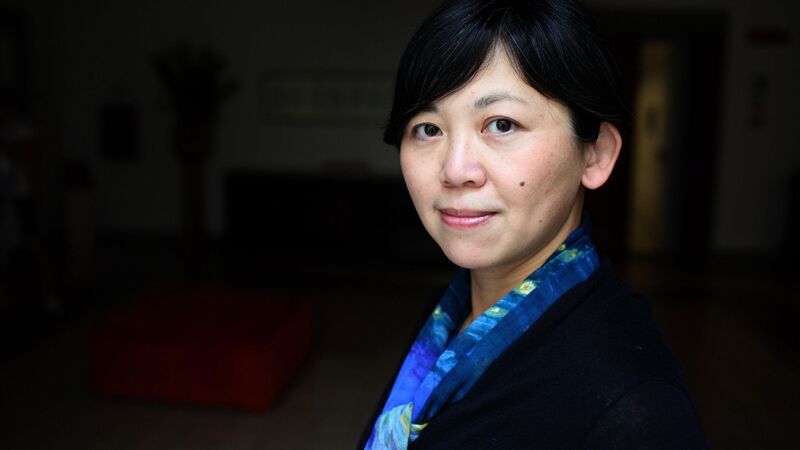
李翊云的写作技巧细节
李翊云(Yiyun Li)是一位以短篇小说闻名的美籍华人作家,她的写作风格注重人物内心、精确语言和发现而非发明。以下基于她的访谈、课程和文章总结的关键技巧细节:
1. 人物塑造:发现而非创造
- 李翊云强调作家不是“创造”人物,而是“发现”他们。人物像真实存在的人,作家只是“跑进他们”,观察他们的奇怪之处,然后通过写作故事来深入了解。
- 比喻:像盯着火车上的陌生人看,但时间更长、更不舒服,直到剥去不诚实的外层,层层了解人物。
- 灵感来源:现实一瞥(如与威廉·特雷弗一起看到穿橙色上衣的女人)或想象(如看到旧笔记本时脑海中浮现的声音)。
- 建议:问人物有意义的问题,平衡现实经历与想象;拥抱创作的混乱,避免过度解释。
2. 写作过程:耐心、困惑与层层挖掘
- 写作源于“bafflement”(困惑):想法如果几个月后仍萦绕脑海、越来越好奇,就值得发展成故事。
- 耐心至关重要:第一层想法往往不有趣,需要挖掘多层(几步进一步)才能触及有趣之处。
- 不忠于初始想法,而是忠于声音、地点和后果。
- 短篇小说:初稿往往接近终稿;小说:大量修订,常删减100-150页。
- 习惯:随身携带多个笔记本,快速记录转瞬即逝的想法(成功率<1%);拖延时手抄喜爱段落。
3. 语言与精确性
- 以英语(第二语言)写作,缺乏母语亲密度,但通过查字典、研究词源追求精确。
- 避免不精确词如“grief”(悲伤)、“always”(总是)、“never”(从不)。
- 追求精确如区分不同“蓝色”;写作是与大脑对话, sharpening thoughts。
4. 阅读与影响
- 每天阅读5-10小时,同时读多本书(短时段,数周完成一本)。
- 主要影响:威廉·特雷弗、梅维斯·加兰特、伊丽莎白·鲍恩;托尔斯泰《战争与和平》教给她惊讶与必然并存、行为成习惯等技巧。
- 建议年轻作家:阅读经典;追求像契诃夫一样好的野心,而非出名。
5. 日常习惯与哲学
- 习惯生物:教学、游泳、阅读主导,写作几小时(大多数日子)。
- 写作如天气:有时完美,有时糟糕,坚持度过坏日子。
- 哲学:写作是发现之旅,非创造;所有写作都有自传元素,但人物的故事独立;不寻求人生意义,而是将能量投入他人故事。
这些技巧源于李翊云的访谈(如Otherppl播客)和课程(如Skillshare《Writing Character-Driven Short Stories》),强调注意、耐心和对人物的忠诚。她的方法适合追求深度内心描写的作家。
个人灵感闪现:
Shakespeare, Because he articulate thoughts in one way that it takes me 10 times more words to articulate that thought and that along is a very good distraction, It’s just how can I do what he did so fabulously concise and thought-provokingly profound.
At the time when you’re brooding over and over again, may be a change of space, regardless of mental space of physical space, it’s helpful. What I’m talking about is the willingness to really slow things down, have a look at my own mind, own emotions and
These experiences of excruciatingly painful loss have a tendency to leave us at a loss for words, it’s hard to get into the complexity of them with accuracy, especially when a writer says something that fits so perfectly with your current mindset, or puts out a dissection that hits the nail on the head, that aha moment makes you wanna dush outside, doing a happy dance regardless of a chilly morning or rainy night. Afterwhile, you would be thinking, how did he spin the language so perfect and write a sentence so irresistibly eye-catching, how did he break it into fragments, or into pieces or into parts ? How does that edge feel? you might be pondering why wouldn’t I say it much better than that?I marvel at the control that he had around very delicate and difficult subject matter, especially knowing that so much of the pain that she was experiencing. (There has to be emotional investment) Sometimes, it’s such a technical joyful discussion about the mechanism of conveying something as best as I can, and you have to put yourself at a distance, so you can poke around with a scalpel, you know, with the blood and flesh on you hand.
Editing is like putting the words under anesthesia and you do the surgical work and separate from the pain of its content. Anytime you lose something, you also gain something different, it may often doesn’t make up for what you’ve lost, you gain some insights, you gain some experience or some glimpses of human beings that you don’t get to see in commonplace.
There’s some relief I think, or some insight to be gained from that process even if the effects of it are temporary, it’s not gonna be some permanent salve, but it might be going to pride us with a little ventilation.
We know it that the heart is anatomically it’s pumping blood,