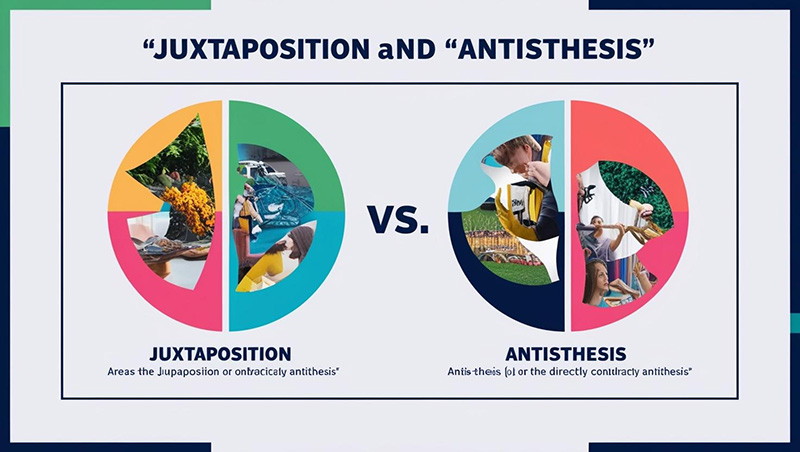
并列(Juxtaposition)
并列是指将两个或多个元素并排放置,以突出它们的差异或创造有趣的对比。这些元素可以是思想、人物、行为或物体。并列并不一定意味着直接对立,而是通过将两者放在一起,强调它们之间的不同。这种对比往往是微妙的,由读者或观众自行体会。
马丁·路德·金在1967年8月16日于乔治亚州亚特兰大的南方基督教领袖会议(SCLC)第十五届年会上的演讲中说到:
We must learn to live together as brothers or perish together as fools. 我们必须学会像兄弟一样生活在一起,否则就会像傻瓜一样一起灭亡
对照(Antithesis)
对照是并列的一种特定类型,它涉及在平行的语法结构中使用对立或相反的思想。对照的目的是突出两个思想之间的鲜明对比,使差异更加明显。这是一种有意的对比,通常使用对称或平衡的短语和从句。
对照的例子:
约翰·肯尼迪(John F. Kennedy)在他著名的就职演说中,说道:
“Ask not what your country can do for you—ask what you can do for your country.” “不要问你的国家能为你做些什么——问你能为你的国家做些什么。”
这是一个经典的对照例子。句子的结构是平行的,思想是直接对立的:关注一个人能得到什么和一个人能给予什么。这种对照强调了为公众服务和公民责任的号召,使自私和无私之间的对比非常清晰。
关键区别:
- 目的:
- 并列用于突出差异、创造有趣的对比或在文本中强调主题。它可以引发情感反应,制造讽刺,或在文本中强调主题。
- 对照用于呈现两个对立思想或概念之间的清晰、直接的对比。它通常通过强调思想之间的明显差异来产生说服力或影响力。
- 结构:
- 并列不要求平行的语法结构。它只是将两个对比的元素放在一起。
- 对照需要平衡、平行的结构,以增强两个思想之间的对立。
- 应用:
- 并列可以应用于广泛的元素,包括人物、主题、设置或情感。
- 对照专门关注句子或演讲中的对立思想或概念。
Here are three examples of sentences that use the rhetorical device “juxtaposition,” followed by their translations in Chinese:
- Sentence: “In the quiet of the countryside, the distant roar of the city serves as a constant reminder of the chaos just beyond the horizon.”
- Translation: “在宁静的乡村,远处城市的喧嚣是一个不断提醒着我们天际之外混乱的存在。”
- Sentence: “Her smile was bright, but her eyes were filled with sorrow, a stark contrast that made her face a paradox of emotions.”
- Translation: “她的微笑很灿烂,但她的眼中充满了悲伤,这种鲜明的对比使她的面容充满了情感的矛盾。”
- Sentence: “The harshness of winter winds and the warmth of a family hearth are juxtaposed in the old cabin, highlighting the contrasts of nature and nurture.”
- Translation: “冬风的严酷与家庭炉火的温暖在老小屋中并置,突显了自然与养育的对比。”
In each example, the juxtaposition highlights contrasting elements—city and countryside, smile and sorrow, winter winds and family warmth—emphasizing differences and enriching the imagery or emotional impact.
Here are three examples of sentences that use the rhetorical device “antithesis,” followed by their translations in Chinese:
- Sentence: “It was the best of times, it was the worst of times, it was the age of wisdom, it was the age of foolishness.”
- Translation: “那是最好的时代,那是最坏的时代;那是智慧的年代,那是愚蠢的年代。”
- Sentence: “To err is human; to forgive, divine.”
- Translation: “犯错是人之常情,宽恕是神圣之德。”
- Sentence: “Give me liberty, or give me death.”
In each example, antithesis is used to contrast opposing ideas, creating a powerful effect by highlighting the differences and bringing out the meaning more clearly through balance and juxtaposition of opposing elements.
声明:本站所有文章,如无特殊说明或标注,均为绝学社原创发布。任何个人或组织,在未征得本站同意时,禁止复制、盗用、采集、发布本站内容到任何网站、书籍等各类媒体平台。如若本站内容侵犯了原著者的合法权益,可联系绝学社网站管理员进行处理。