
看美剧绝望主妇学英语:极端压力下的情感需求错位

这是《绝望的主妇》S03E18 22:17中描绘Scavo家混乱生活的经典场景。勒奈特因丈夫汤姆背部受伤卧床,不得不独自照顾五个孩子、打理家庭披萨店,并雇佣邻居麦克拉斯基太太帮忙。巨大的压力让汤姆情绪失控,对帮忙的麦克拉斯基太太态度恶劣,导致对方愤然辞职,使这个本就摇摇欲坠的家庭陷入更深的危机。随后Lynette与Tom的对话,则深刻揭示了夫妻在极端压力下亲密关系的破裂与情感需求的错位。
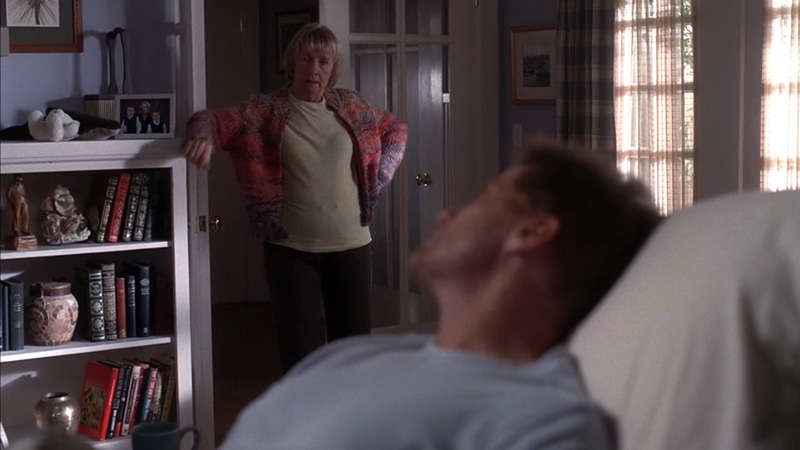
Tom: Mrs. McCluskey! It has been ten minutes. 麦克拉斯基太太!已经十分钟了。
——>> Where’s my pie? – 我的派呢?
Mrs. McCluskey: – I’m unloading the dishwasher. – 我正在卸洗碗机。
——>> You’ll get your damn pie when I’m done. 我忙完了你自然能拿到你那该死的派。
Tom: Mrs. McCluskey! 麦克拉斯基太太!
——>> I want my pie now. 我现在就要我的派。
——>> Oh, yeah. Yeah, you heard me. 哦,是啊。没错,你听清楚了。
——>> Your being here isn’t charity. 你在这里干活不是慈善。
——>> We pay you good money to help us. 我们付你不错的报酬来帮忙。
——>> So when I ask you to do something, I want it done. 所以当我让你做事时,我要你立刻去做。
Mrs. McCluskey: Well, here’s a surprise for you: I quit. 嗯,给你个惊喜:我不干了。
Lynette: What? What? Why? Why? What happened? 什么?什么?为什么?为什么?发生什么事了?
Mrs. McCluskey: Five kids are tough enough, 带五个孩子已经够难的了,
——>> but your husband makes six. 但你丈夫算是第六个。
——>> And that’s where I draw the line. 这就是我的底线了。
Lynette: OK. I know that Tom has been a little cranky lately. 好吧。我知道汤姆最近是有点脾气暴躁。
Mrs. McCluskey: No, I’m cranky. He’s insufferable. 不,我那叫脾气暴躁。他是令人无法忍受。
——>> I hate to admit this, Lynette, 我本不想承认,勒奈特,
——>> but every time that man screams out in pain, 但每次那个男人痛苦地尖叫时,
——>> I do a little jig inside. 我内心都会暗自高兴。
Lynette: Look, I’ll talk to Tom… 听着,我会跟汤姆谈谈的…
Mrs. McCluskey: – No, my mind’s made up. – 不,我心意已决。
Lynette: – Wait, wait! Please! – 等等,等等!求你了!
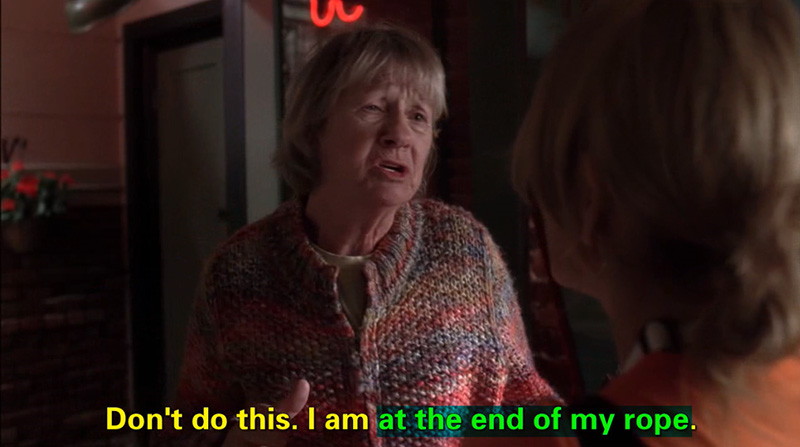
——>> Don’t do this. I am at the end of my rope. 别这样。我已经筋疲力尽了。
Mrs. McCluskey: I wish I could help you, Lynette. 我希望能帮你,勒奈特。
——>> I can see that you’re going down, 我看得出你快撑不住了,
——>> but I’m just too old to get dragged down with you. 但我年纪大了,不想被你拖垮。
(Scene Transition)
Lynette: OK, everybody, go on up to bed. 好了,大家都上楼睡觉。
——>> Parker, you got the baby. 帕克,你照顾宝宝。
——>> Yeah, that’s exactly right. You know what to do. 对,就是这样。你知道该怎么做。
——>> Before you speak, just know that 在你开口之前,你要知道,
——>> ever since McCluskey left, I’ve been lying here 自从麦克拉斯基走后,我一直躺在这里,
——>> feeling like the biggest jerk ever. 感觉自己像个天字第一号大傻瓜。
——>> Tomorrow morning I am gonna call her and apologize. 明天早上我会打电话给她道歉。
——>> I will fix this. 我会解决这个问题。
Tom: Well, you might also want to apologize 嗯,你可能还想向
——>> to the customer who found a Lego in her pizza. 在披萨里发现乐高积木的顾客道个歉。
Lynette: Oh, God, did the kids do that? 哦,天啊,是孩子们干的吗?
Tom: I hope. 我希望是吧。
Lynette: Oh, God, it was so awful tonight. 哦,天啊,今晚太糟糕了。
Tom: Oh, honey. You know what you need? 哦,亲爱的。你知道你需要什么吗?
Lynette: What? 什么?
Tom: A seeing to. 一点”安慰”。
A seeing to:In informal or humorous British English, “a seeing to” can mean having sex with someone or giving someone sexual satisfaction. It’s often used playfully or euphemistically, especially between couples. (“a seeing to” 是英式口语的委婉表达,指性爱、安慰或身体上的亲密行为,语气常带玩笑或暧昧意味。在非情色语境下,它也可以表示“修理、整顿”之意。)
Daily Conversation:
You look so tense — sounds like you need a good seeing to.
你看起来太紧张了——看来你需要好好放松一下(指性爱)。After weeks of stress, she joked that what she really needed was a seeing to.
连着几周压力不断,她开玩笑说自己真正需要的是“被安慰一下”。Business Context (metaphorical, humorous use only):
3. The old printer finally got a proper seeing to from the IT team.
那台老打印机终于被IT部门“好好修理”了一番。
The marketing plan needs a seeing to before we present it to the board.
在提交董事会之前,这份营销方案得“好好整顿一下”。
——>> Once the kids are asleep, 等孩子们睡着了,
——>> slip on that sexy blue thing and then 穿上那件蓝色的性感睡衣,
——>> sneak back down here. 然后溜下楼到这里来。
Lynette: You want to have sex? 你想做爱?
——>> But you’re immobile. 但你现在动不了啊。
Tom: OK, maybe full-on sex is a little ambitious, 好吧,也许真正的性爱是有点不切实际,
——>> but there’s other stuff that we could do. 但我们还可以做些别的。
Lynette: But you can’t bend at the waist, 但你的腰弯不了,
——>> and that pretty much leaves the heavy lifting to me. 这基本上意味着重活都得我来干。
Tom: Trust me, if you get us to the finish line, 相信我,只要你让我们冲到终点线,
——>> I will cross it. 我一定能冲过去。
Lynette: Is that why you apologized, just so I’d service you? 这就是你道歉的原因吗,就为了让我”服务”你?
Tom: Honey, I have been trapped in this bed all day long. 亲爱的,我一整天都被困在这张床上。
——>> I’m bored, I’m miserable. 我很无聊,很痛苦。
——>> Can’t you do this one little thing for me? 你就不能为我做这件小事吗?
Lynette: I have been doing everything I can 我已经竭尽全力
——>> to keep our heads above water. 才能让我们勉强维持生计。
Keep one’s head above water:it means to survive or manage to cope, especially during difficult times—financially, emotionally, or with heavy workloads. It comes from the literal image of someone struggling to stay afloat while swimming. ( 直译为“让头保持在水面之上”,引申为“勉强支撑、勉强维持、艰难度日”。通常用于形容在经济、精神或工作压力下仍在努力不被“淹没”的状态。)
Daily Conversation:
With all these bills piling up, I’m just trying to keep my head above water.
账单一张接一张,我现在只是勉强在维持生活。She’s been so busy with work and kids that she can barely keep her head above water.
她忙于工作和孩子,几乎喘不过气来。Business Context:
3. After the economic downturn, small businesses are struggling to keep their heads above water.
经济下滑后,小型企业都在艰难维持生计。
We’ve cut costs to keep our heads above water until sales pick up again.
我们削减开支,好让公司在销售回升前勉强维持下去。
——>> I can’t do you too. 我实在没精力再”伺候”你了。
-
内容小结: Tom因伤卧床,感到无聊和痛苦,他的情感需求是获得妻子的身体亲近和情感慰藉,以确认自己依然被需要。而Lynette则被生活压得喘不过气,她的情感需求是得到实际的帮助、分担和理解。
-
欧文点评:
“The core of their conflict wasn’t just about sex; it was a profound emotional needs mismatch. Tom’s need for intimacy and Lynette’s need for support were on completely different wavelengths, leaving both feeling unloved and resentful.”
(他们冲突的核心不仅仅是性,而是一种深刻的情感需求错位。汤姆对亲密的需求和勒奈特对支持的需求完全不在一个频道上,这让双方都感觉不被爱且充满怨恨。)